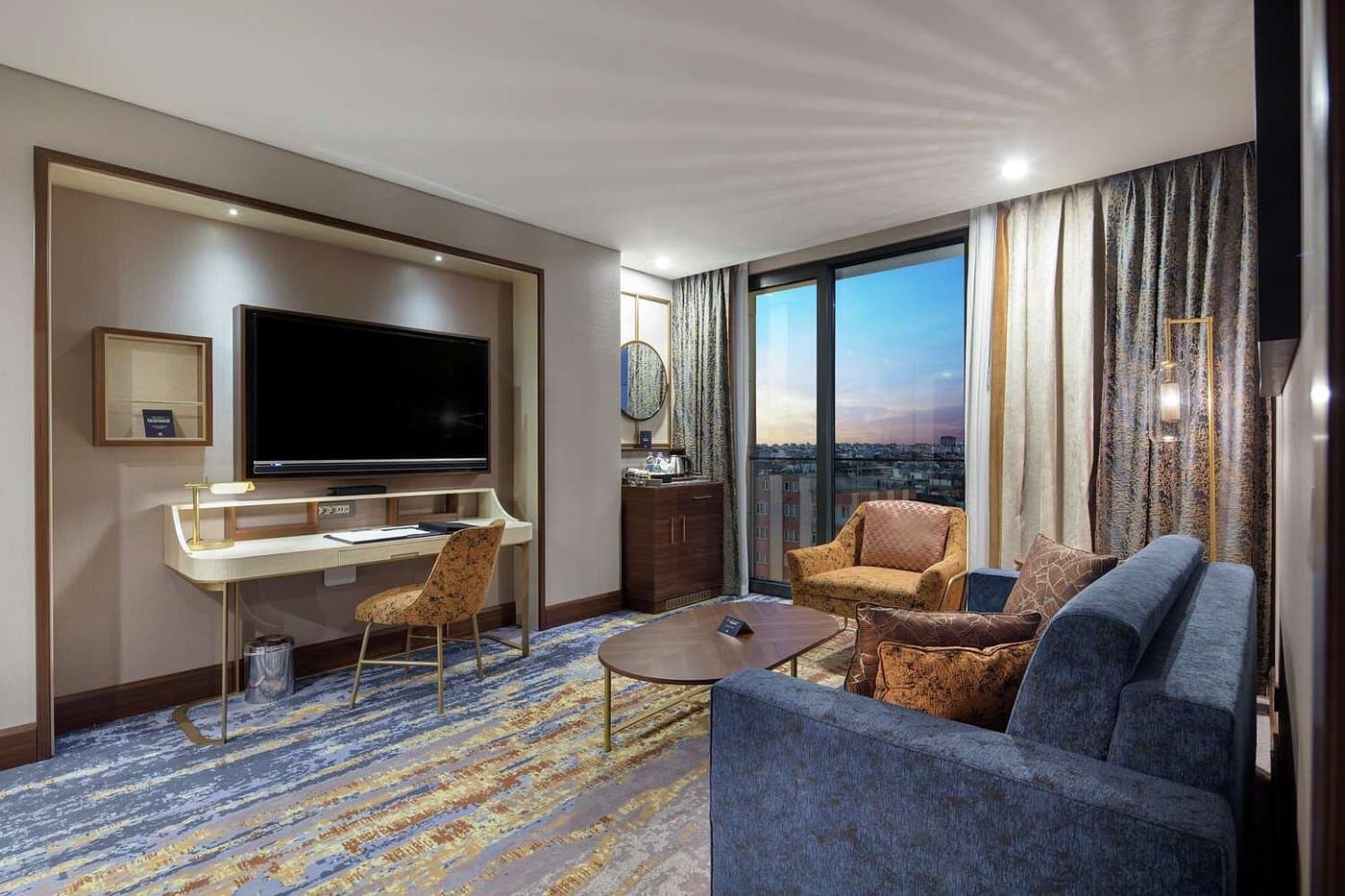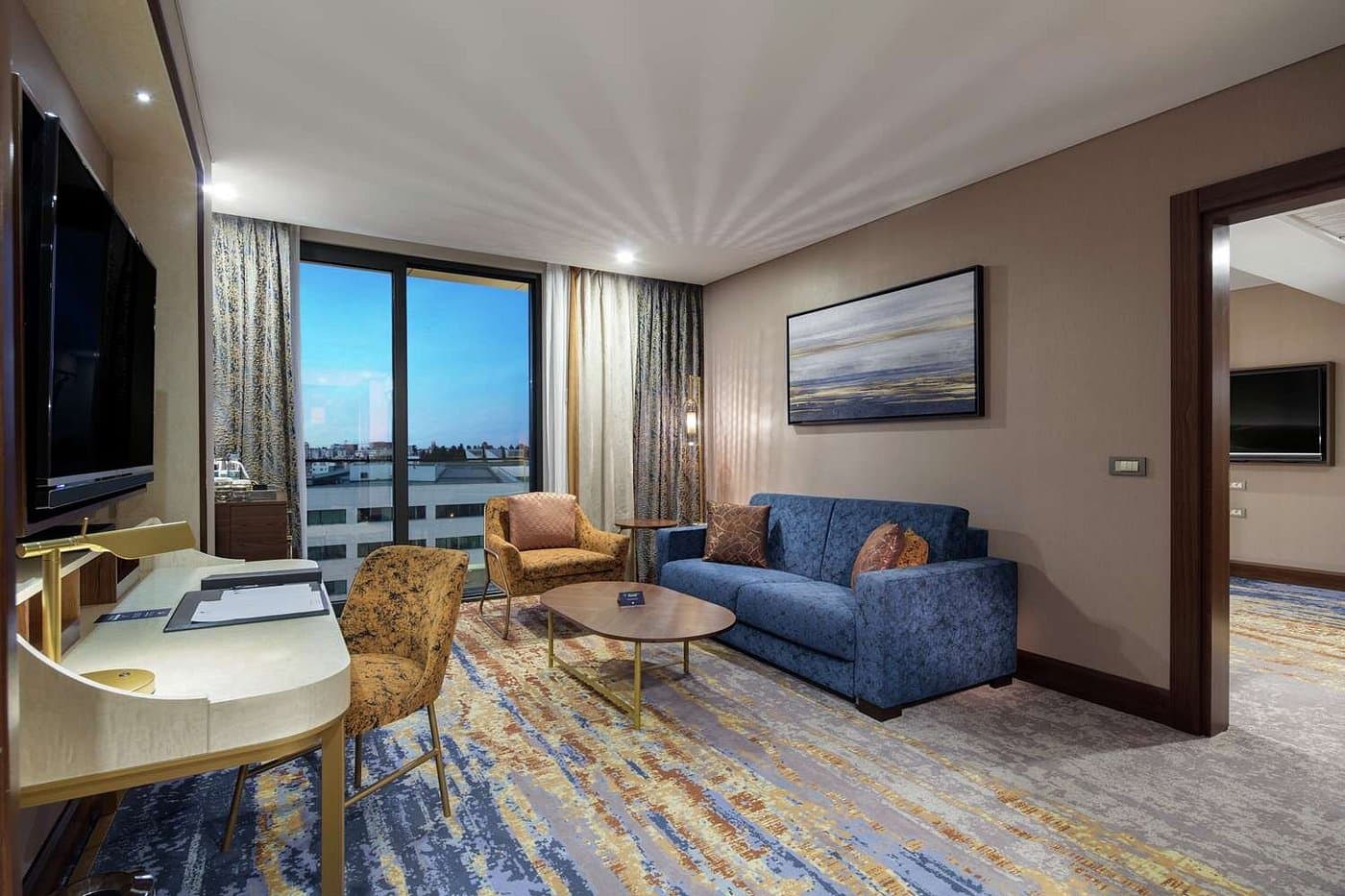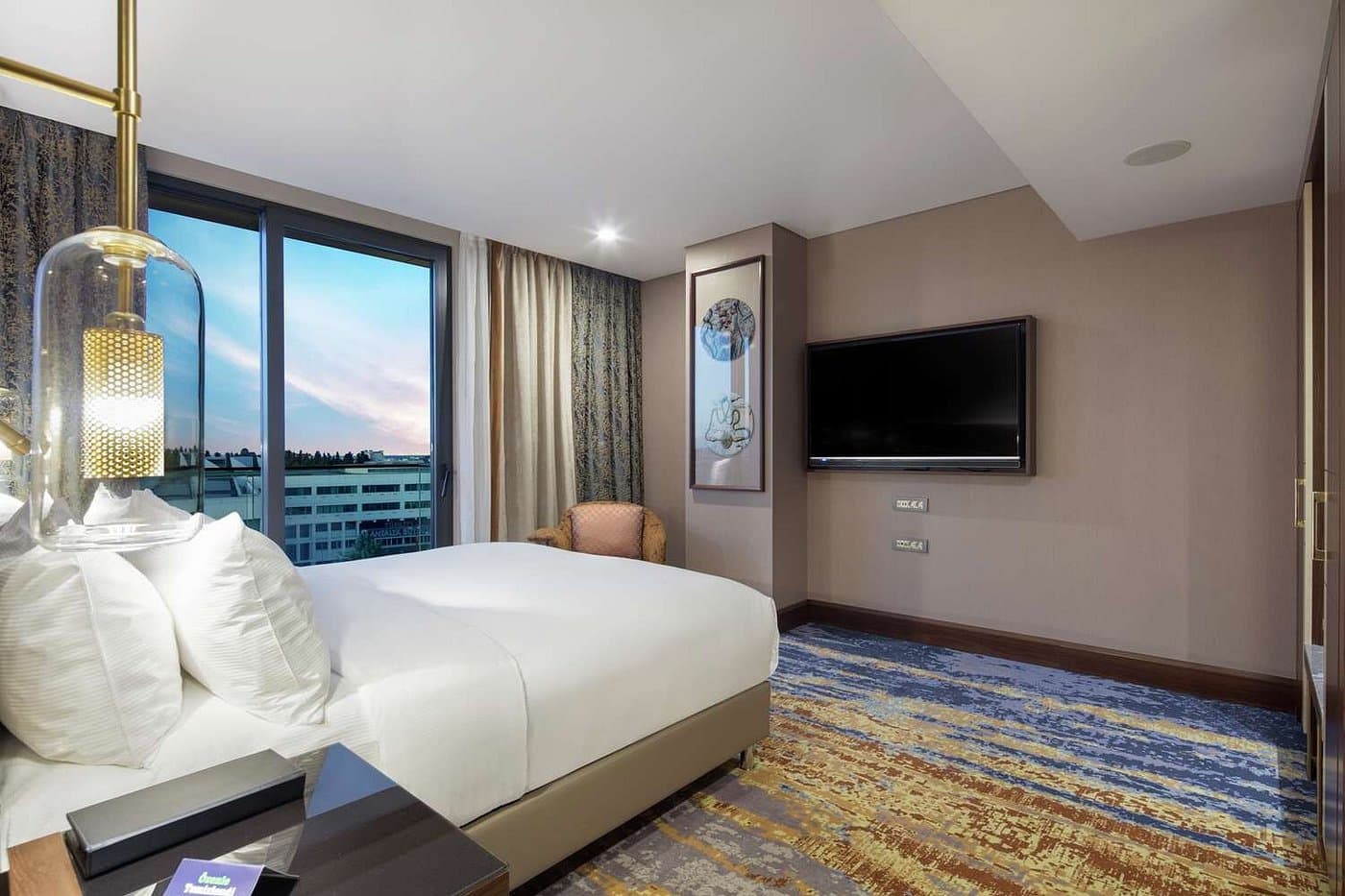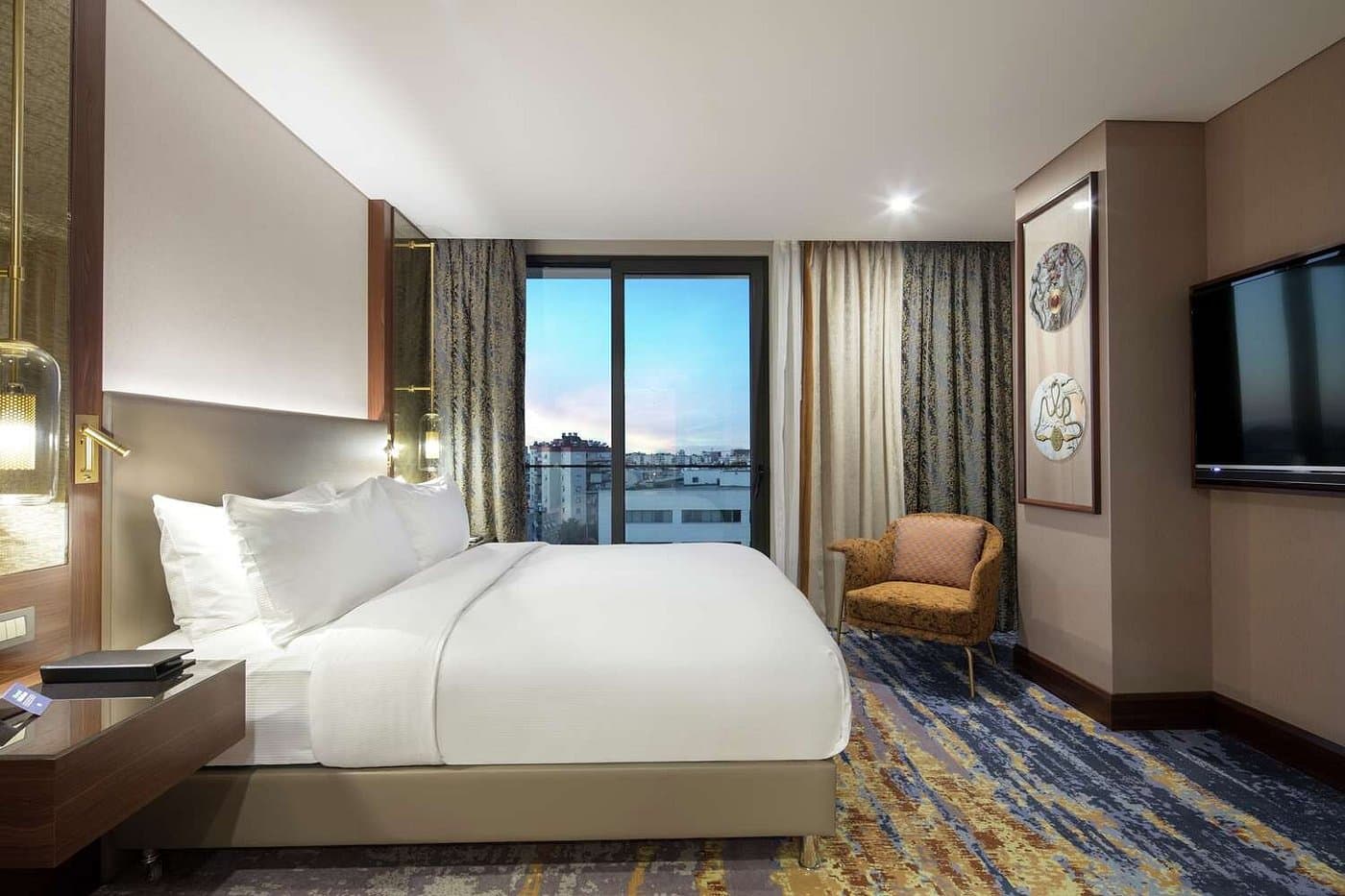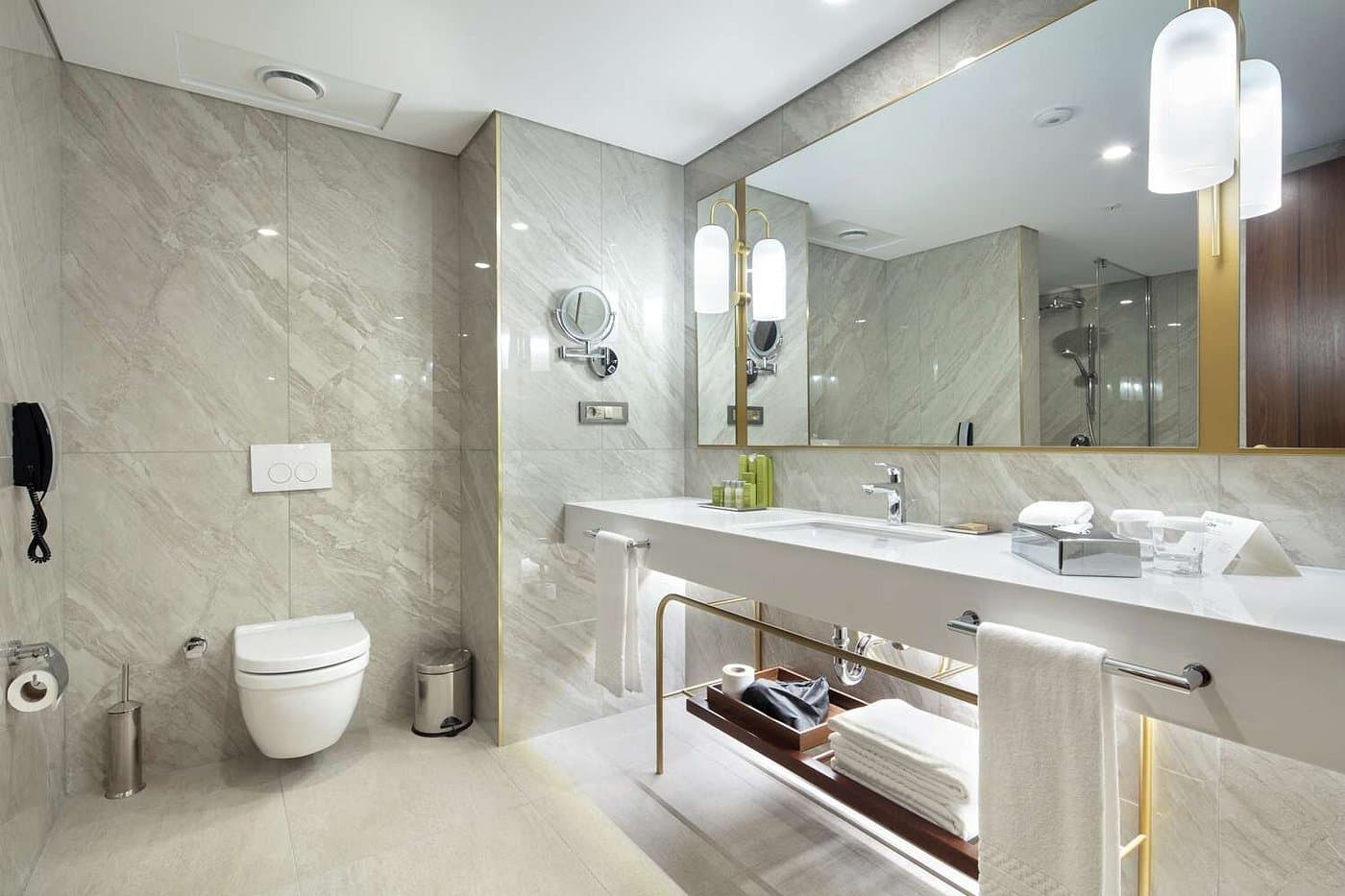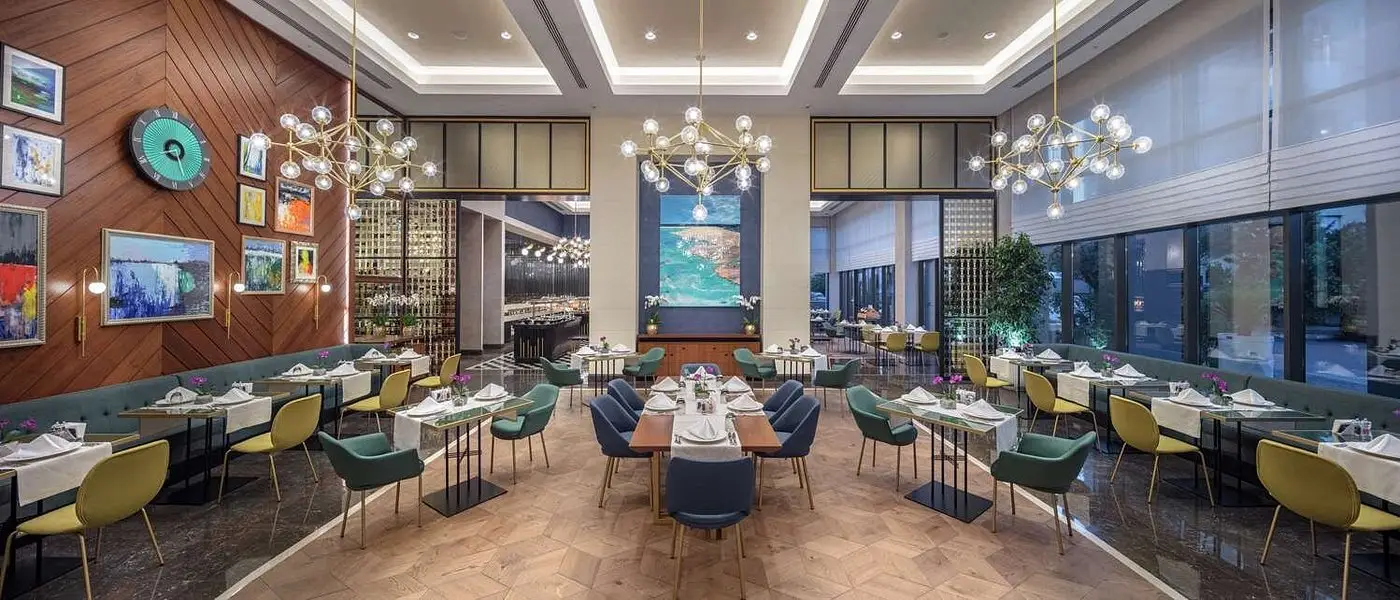
DoubleTree By Hilton Antalya City Centre 2019
Interior Design ProjectSECTION 01
Project Name: DoubleTree by Hilton Antalya City Center
Design Office / Position: Hande Tözün Interior Design Studio – Lead Designer
Year: 2019
Location: Antalya, Turkey
Project Type: 5-Star Hotel – Interior Design
Software Used: Cinema4D, V-Ray, Photoshop, InDesign
Photographer: Ibrahim Kahraman
Designed Areas:
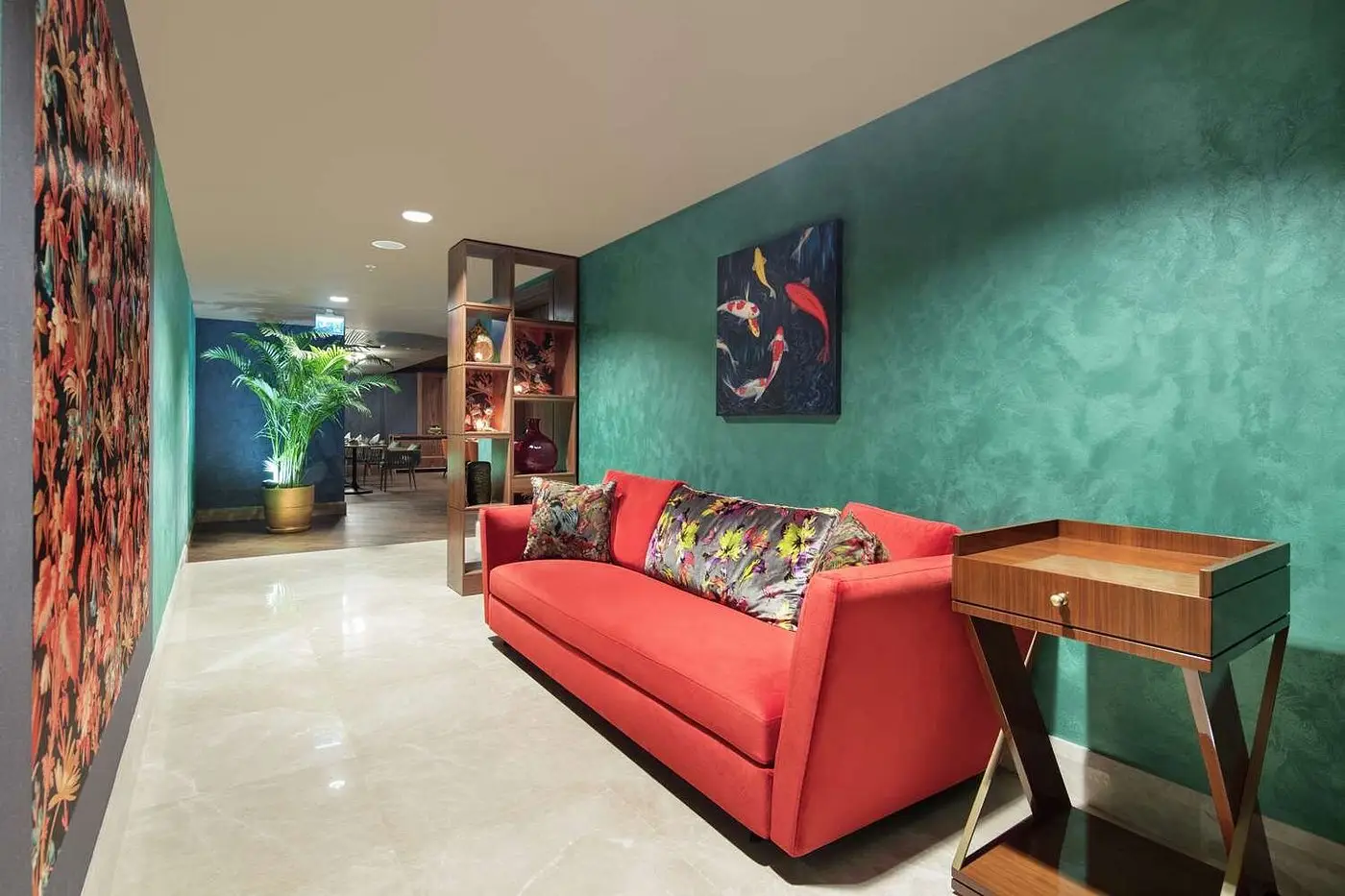
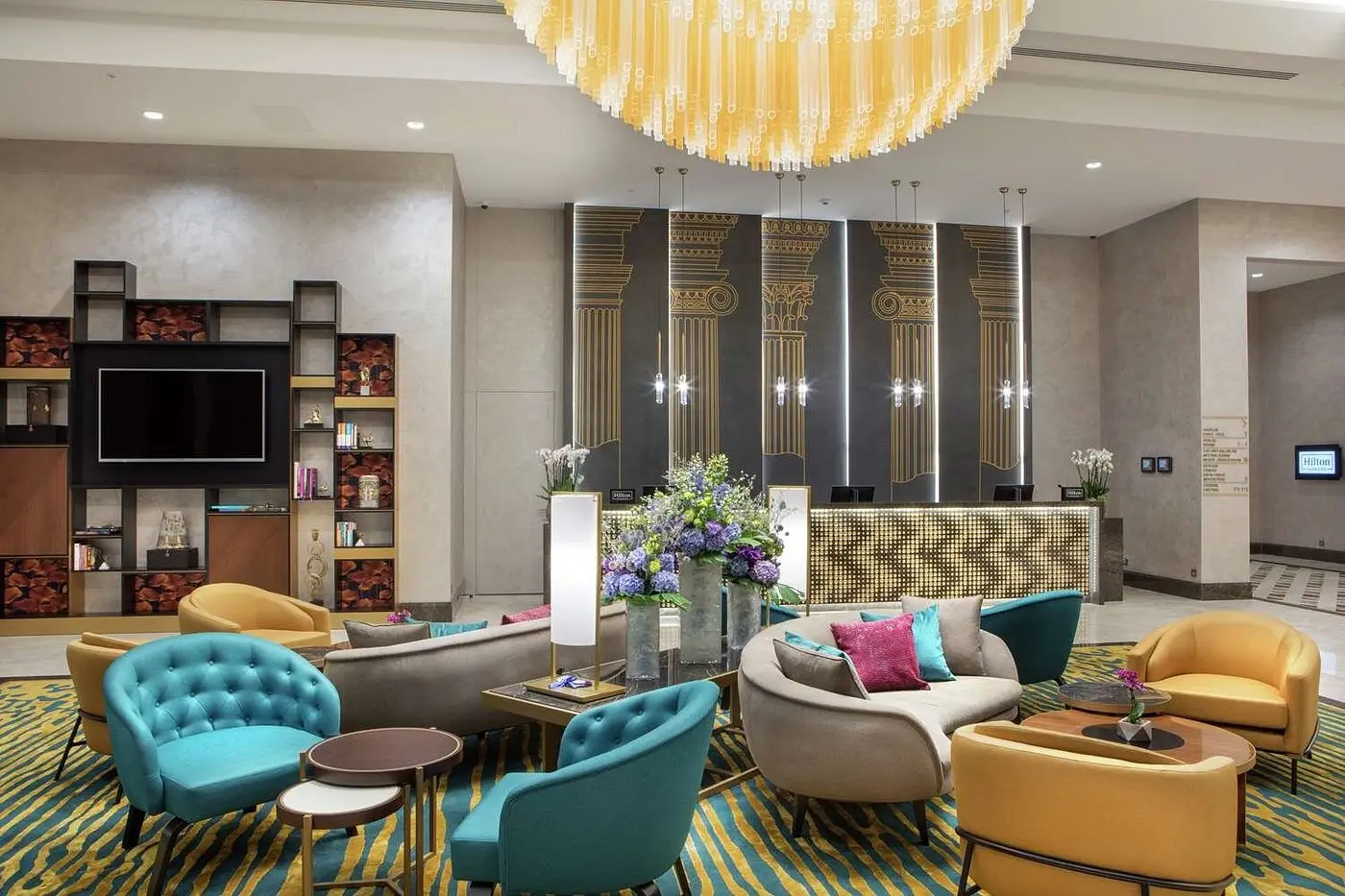
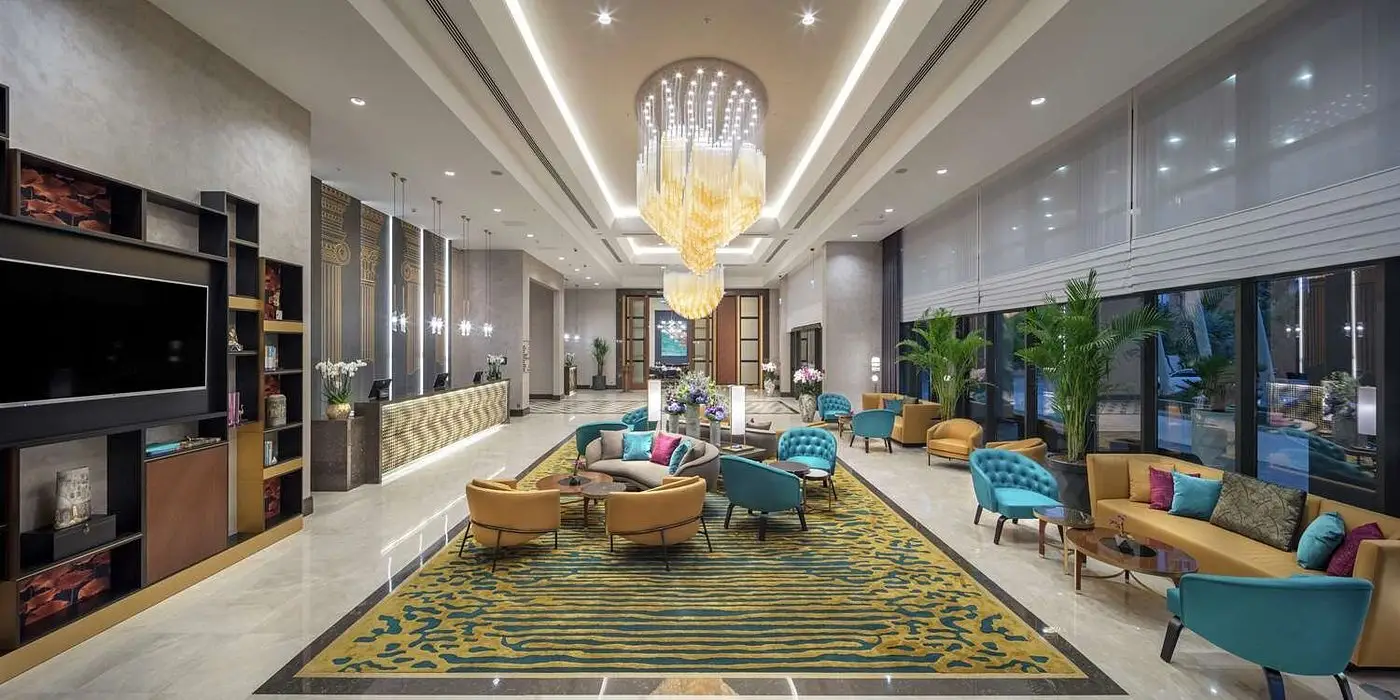
- Lobby & Lounge
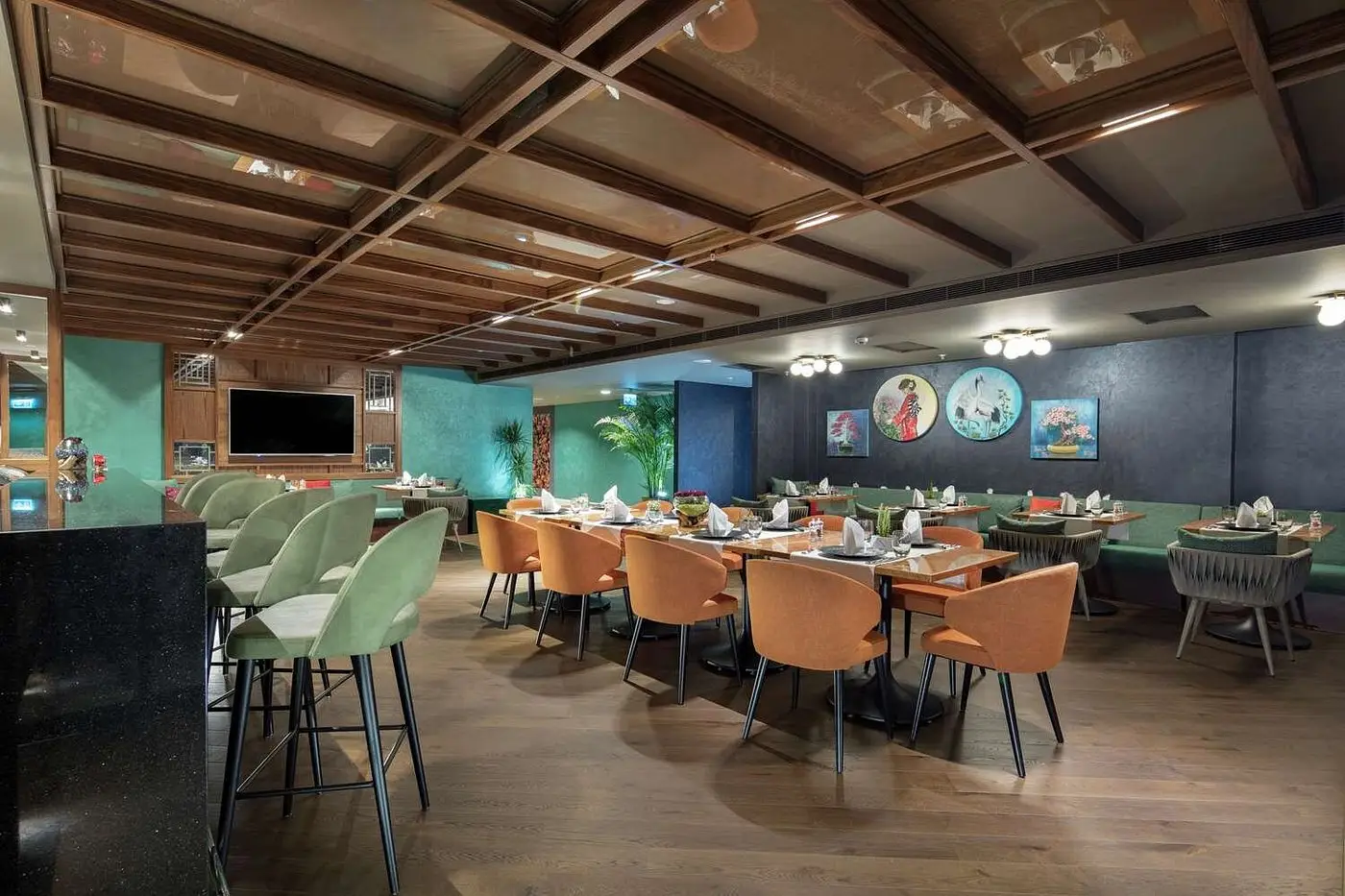
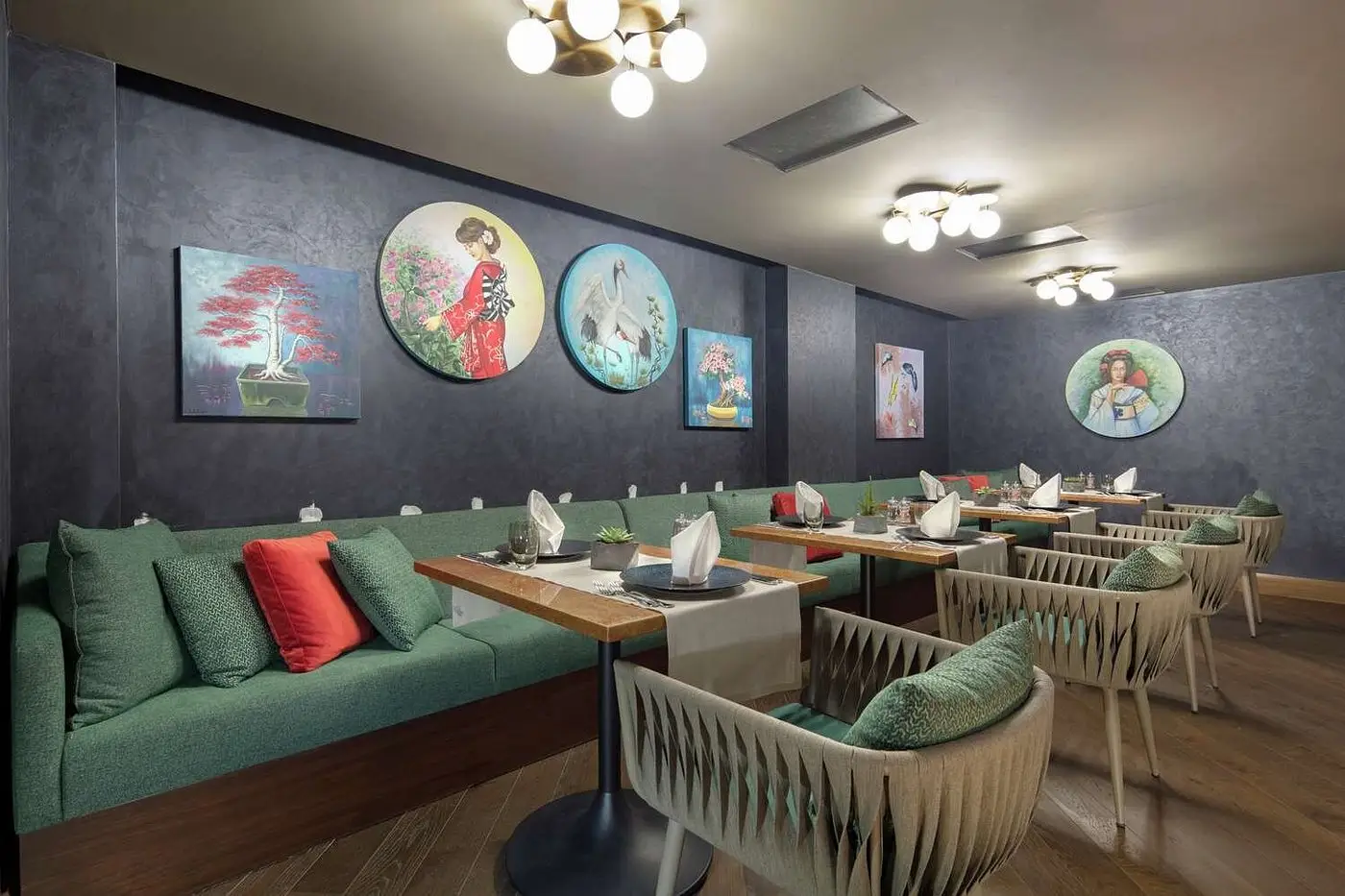
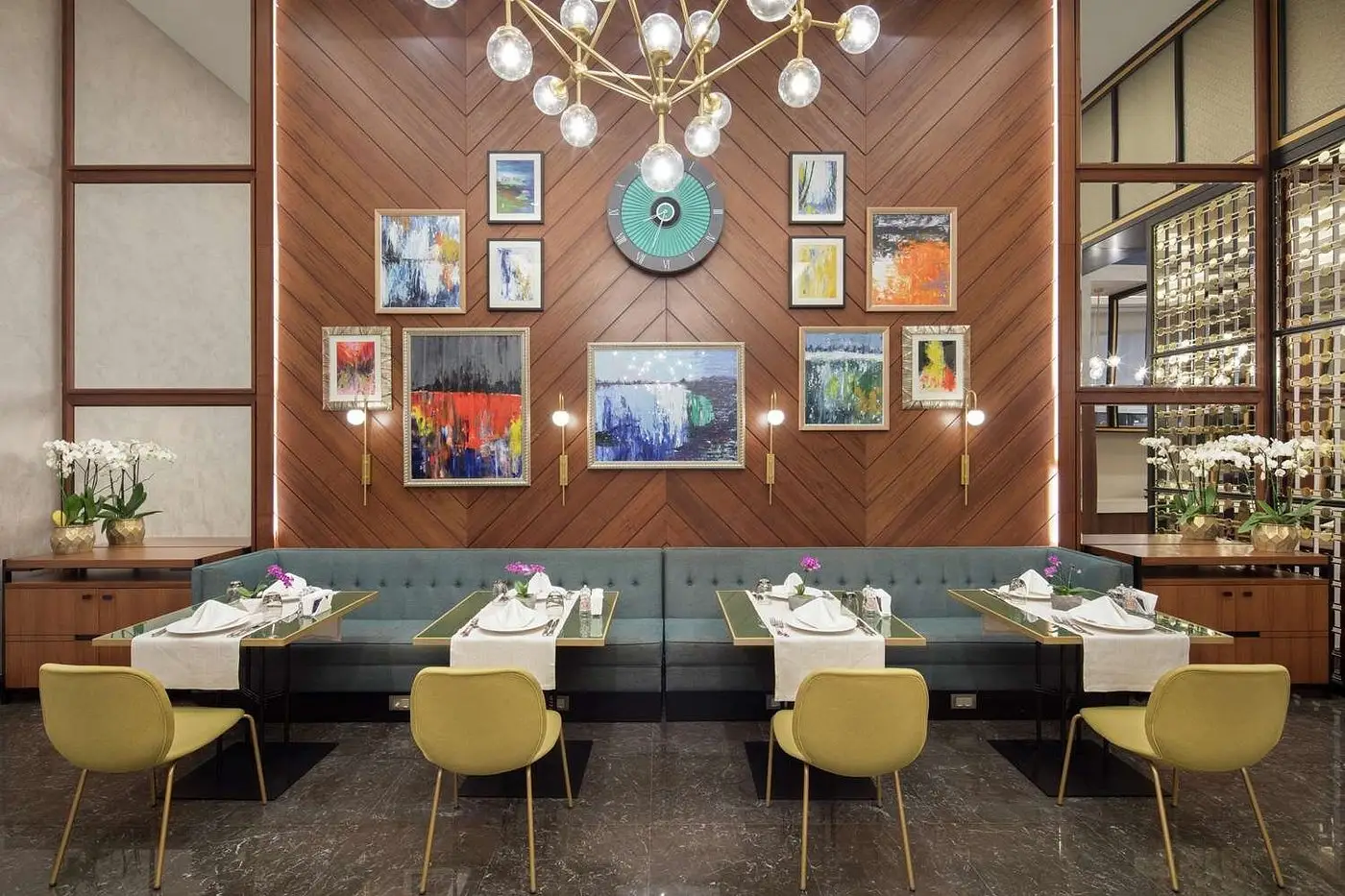
- Restaurant
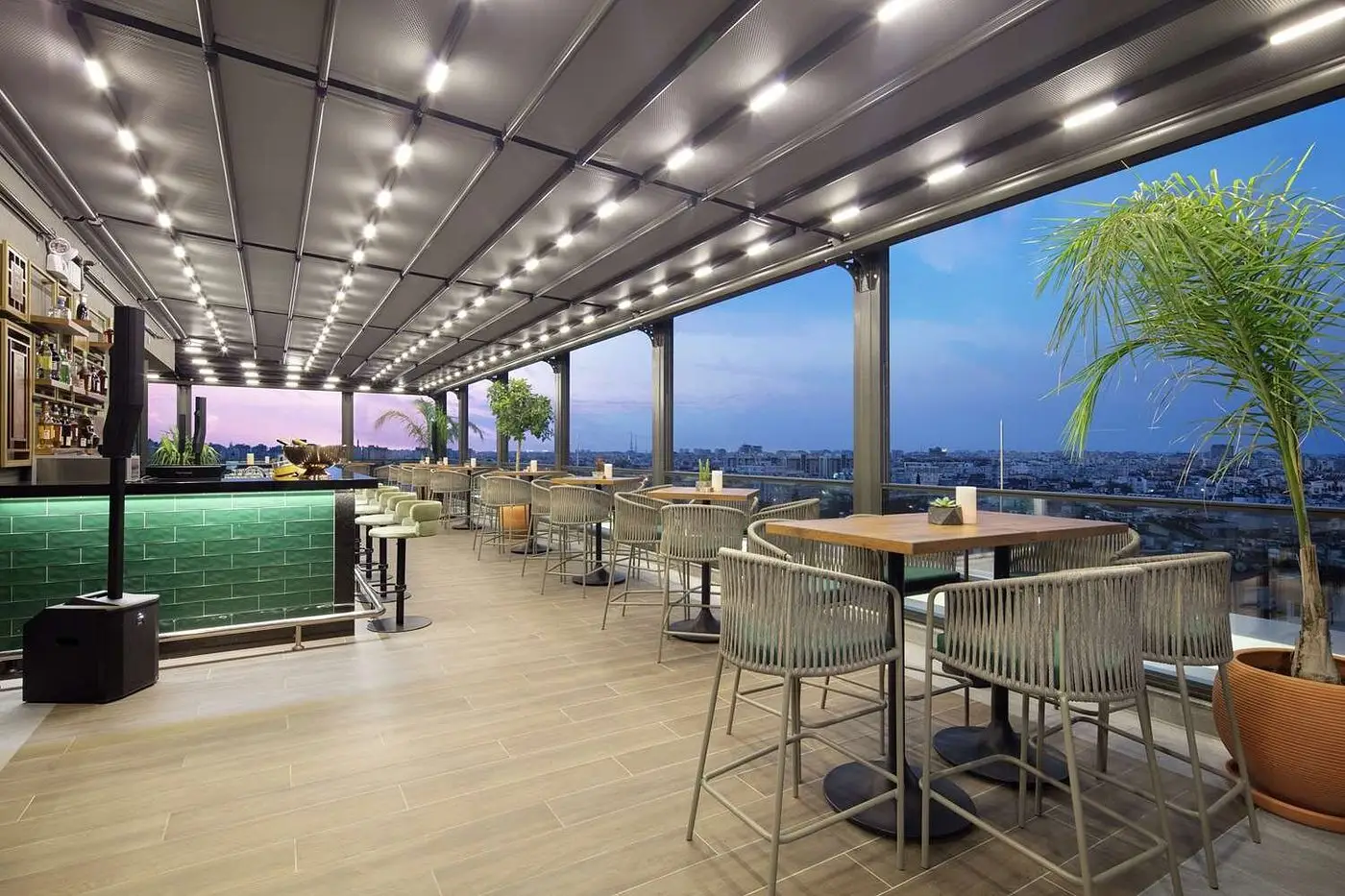
- Bar
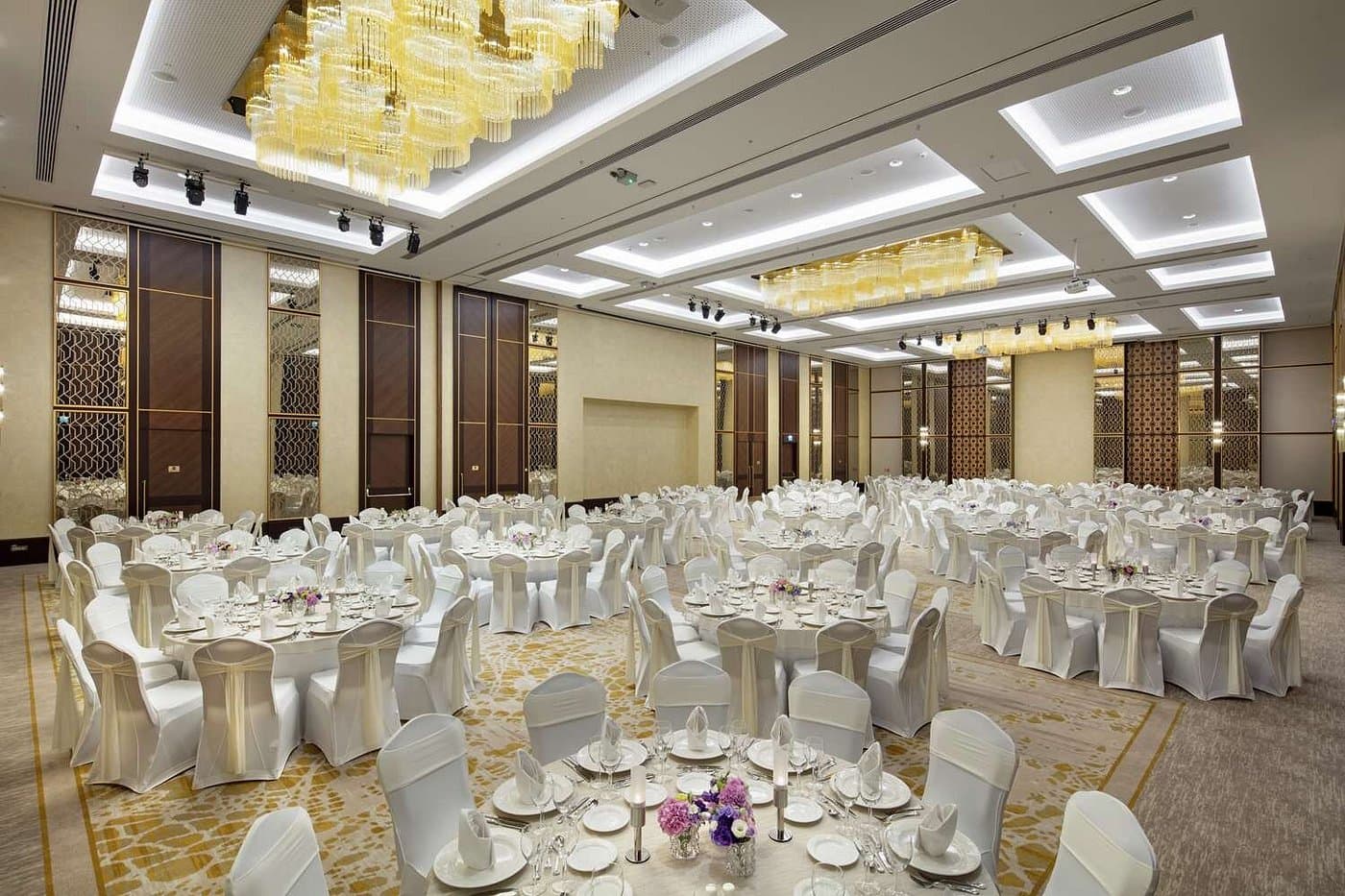
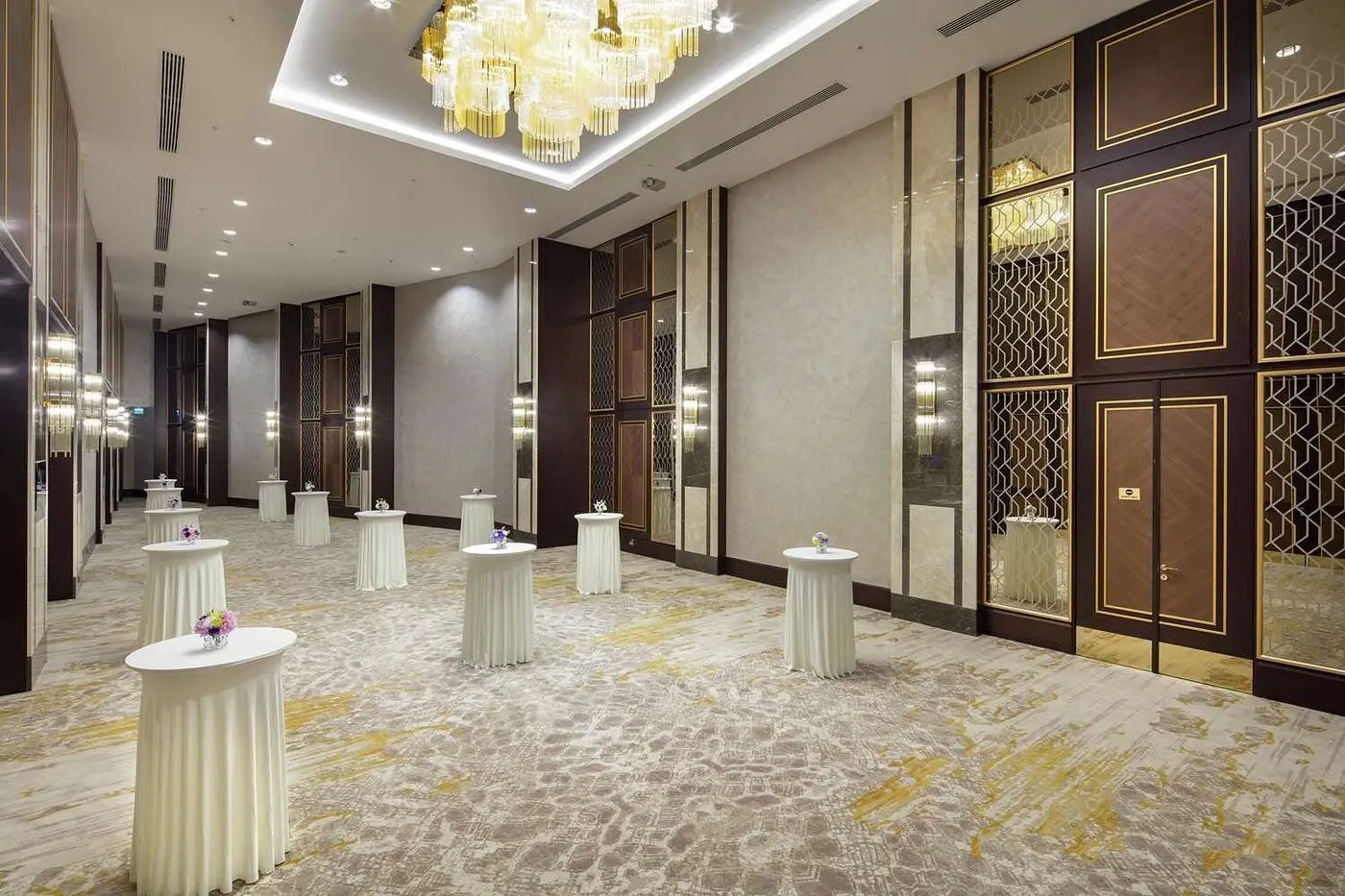
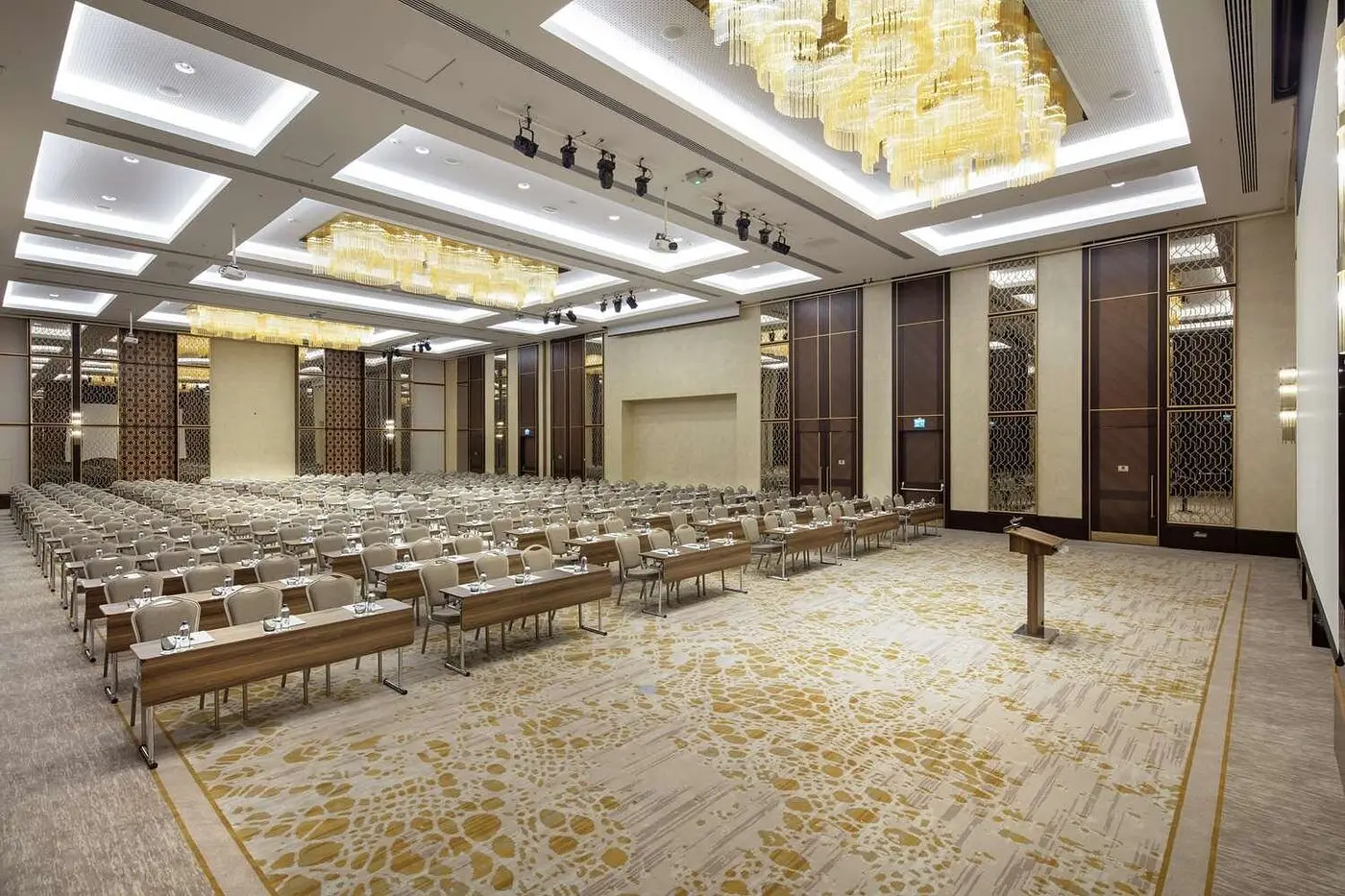
- Ballroom
- Meeting Rooms
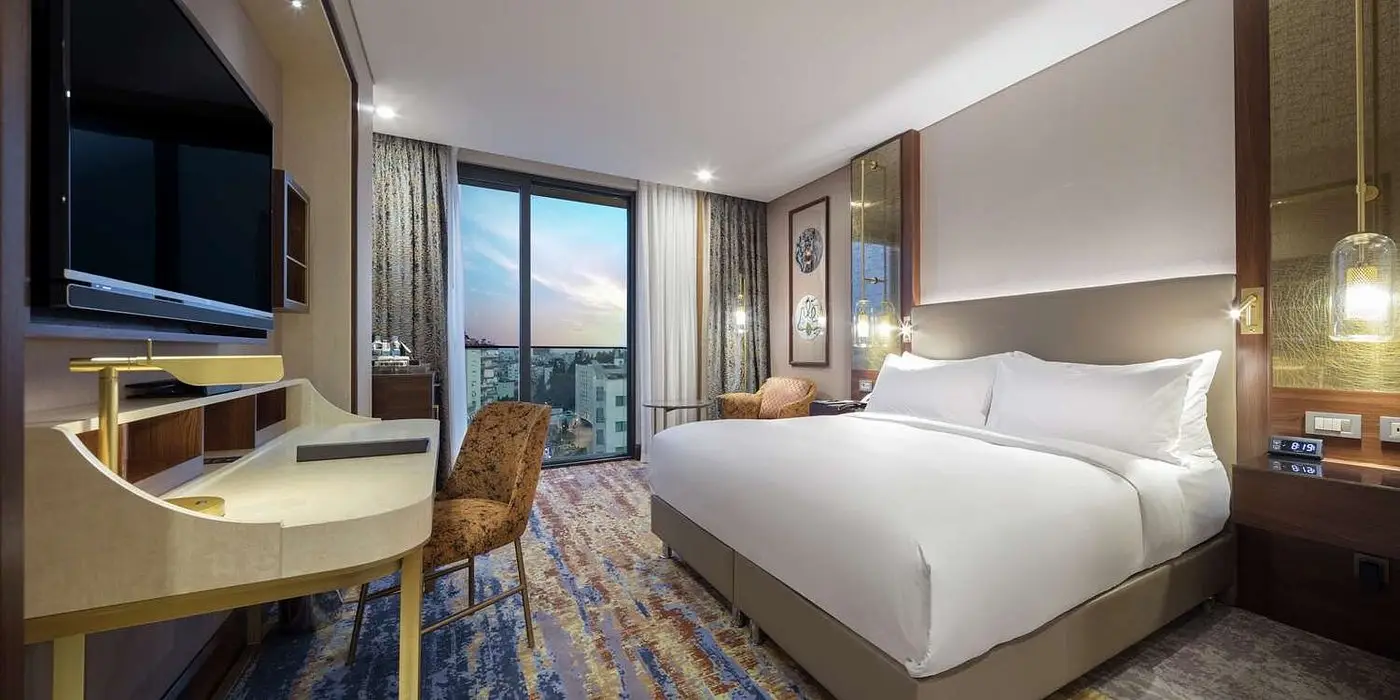
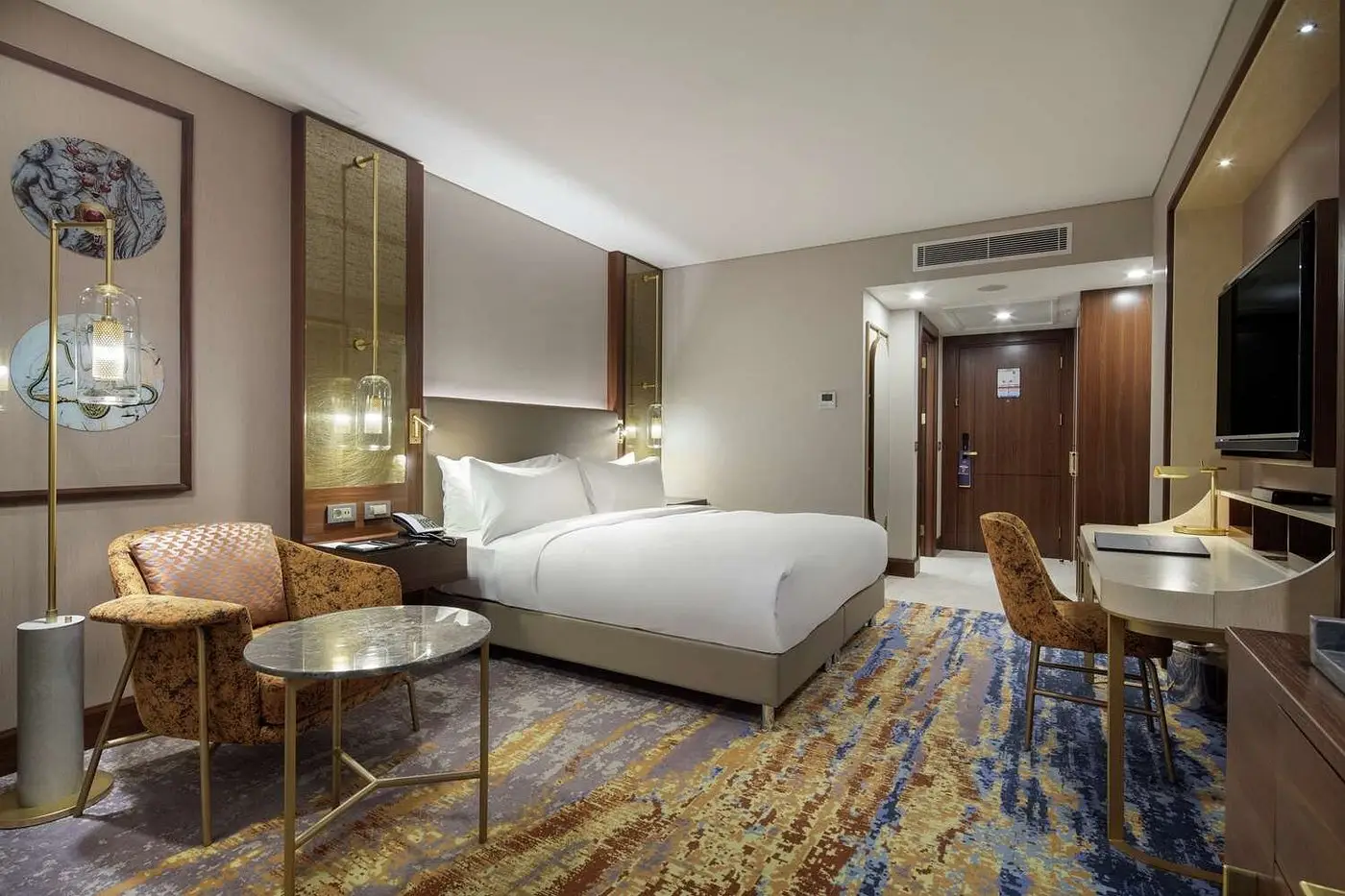
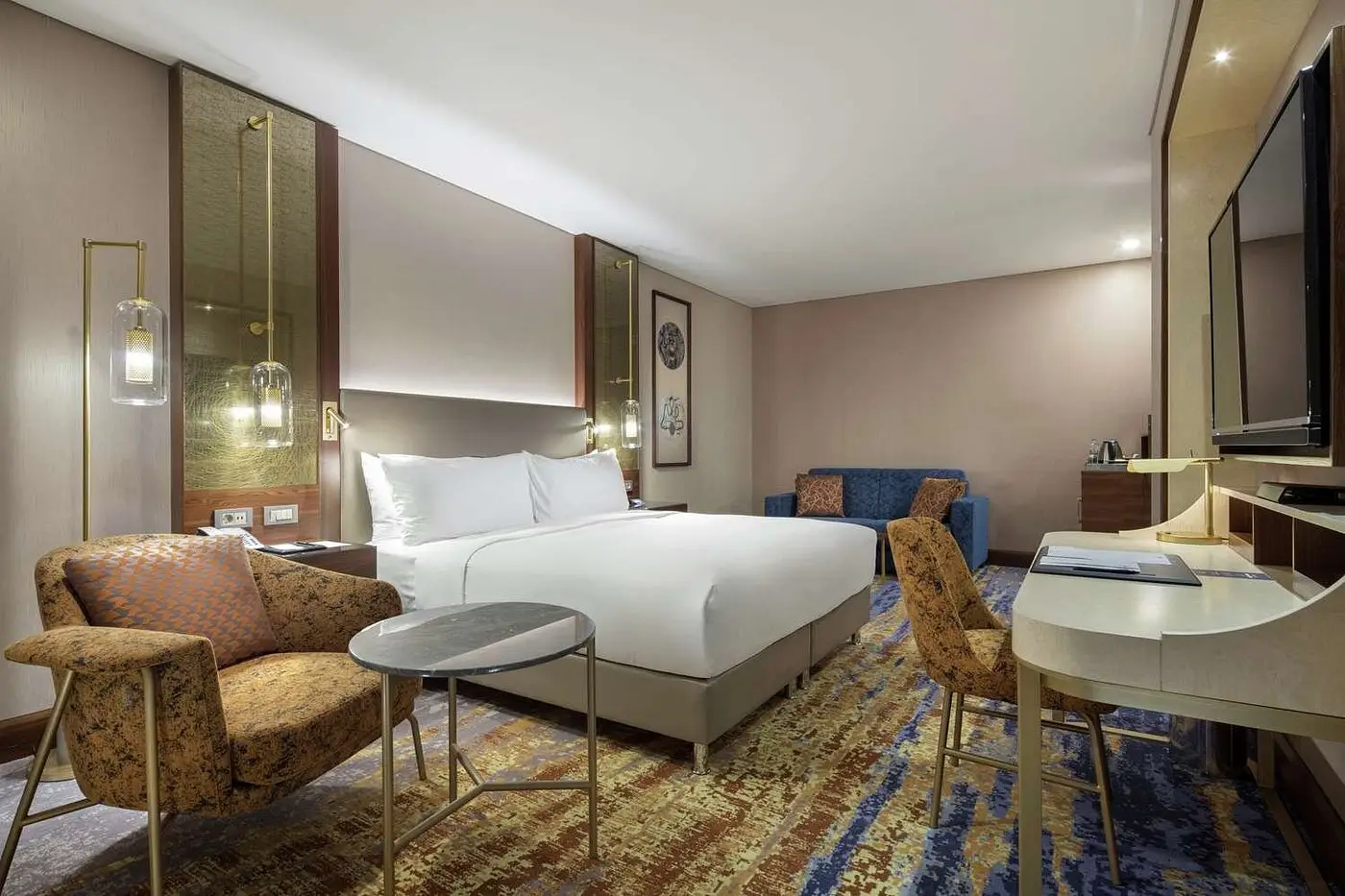
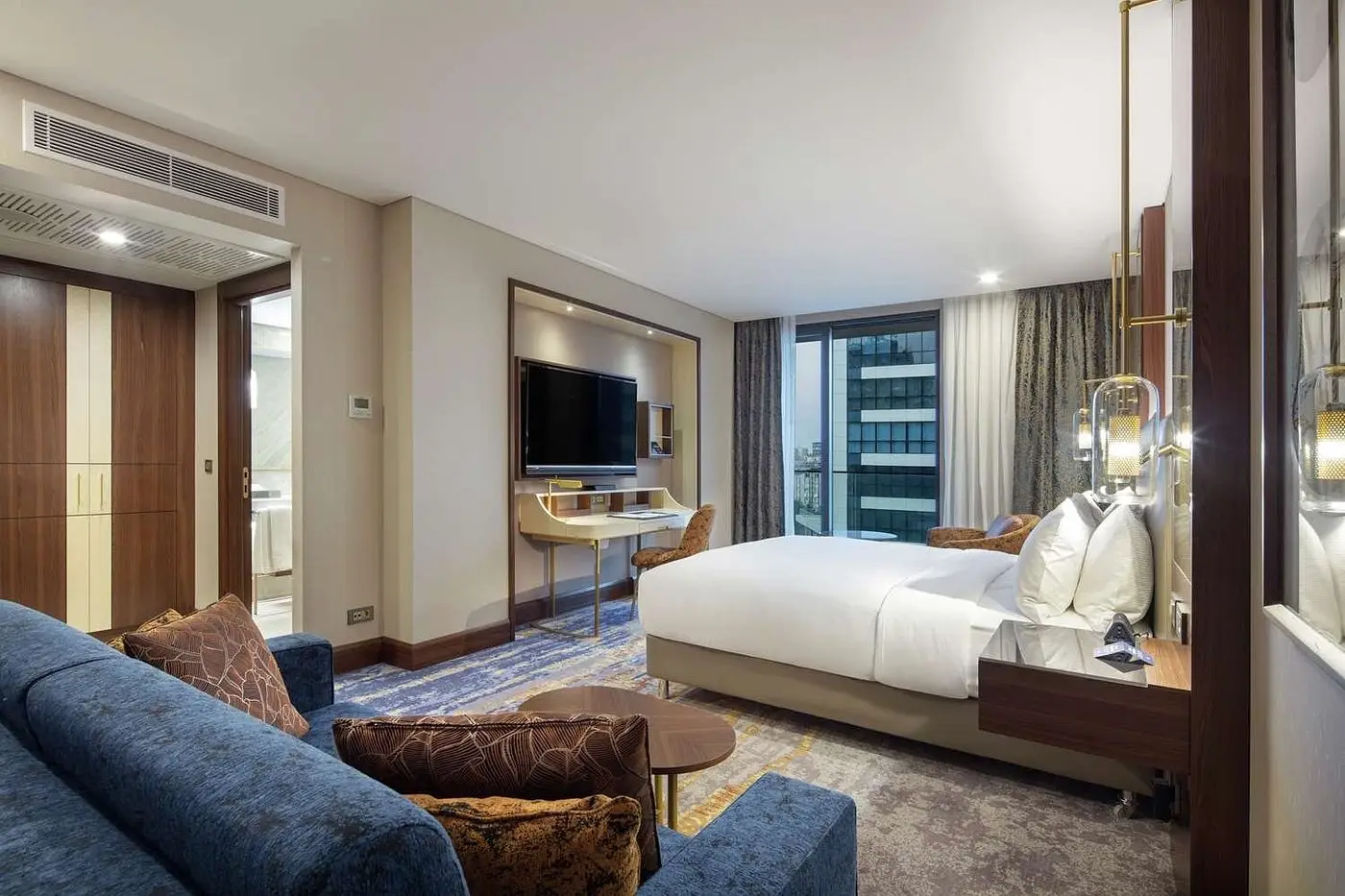
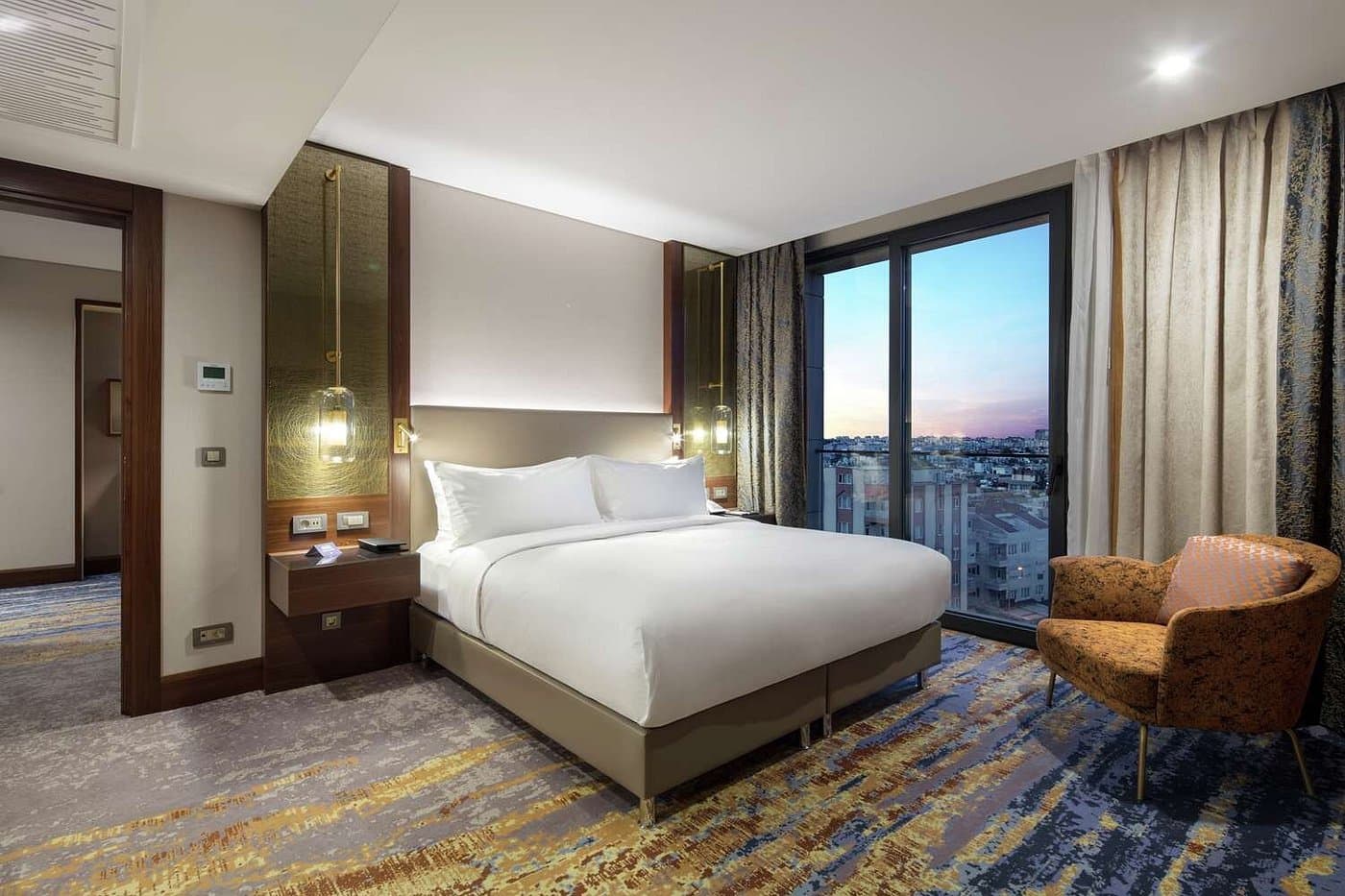
- Guest Rooms
- Presidential Suite
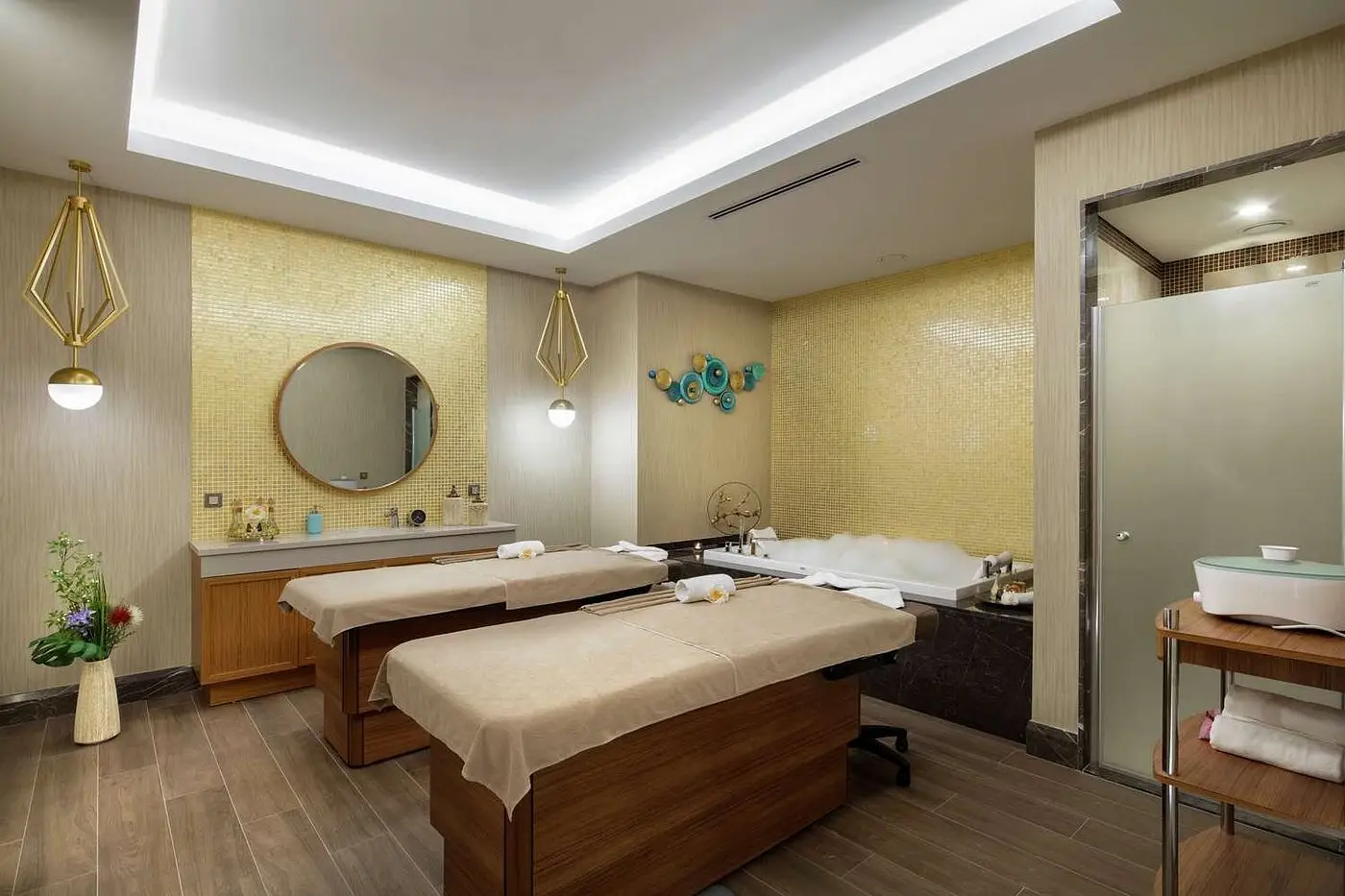
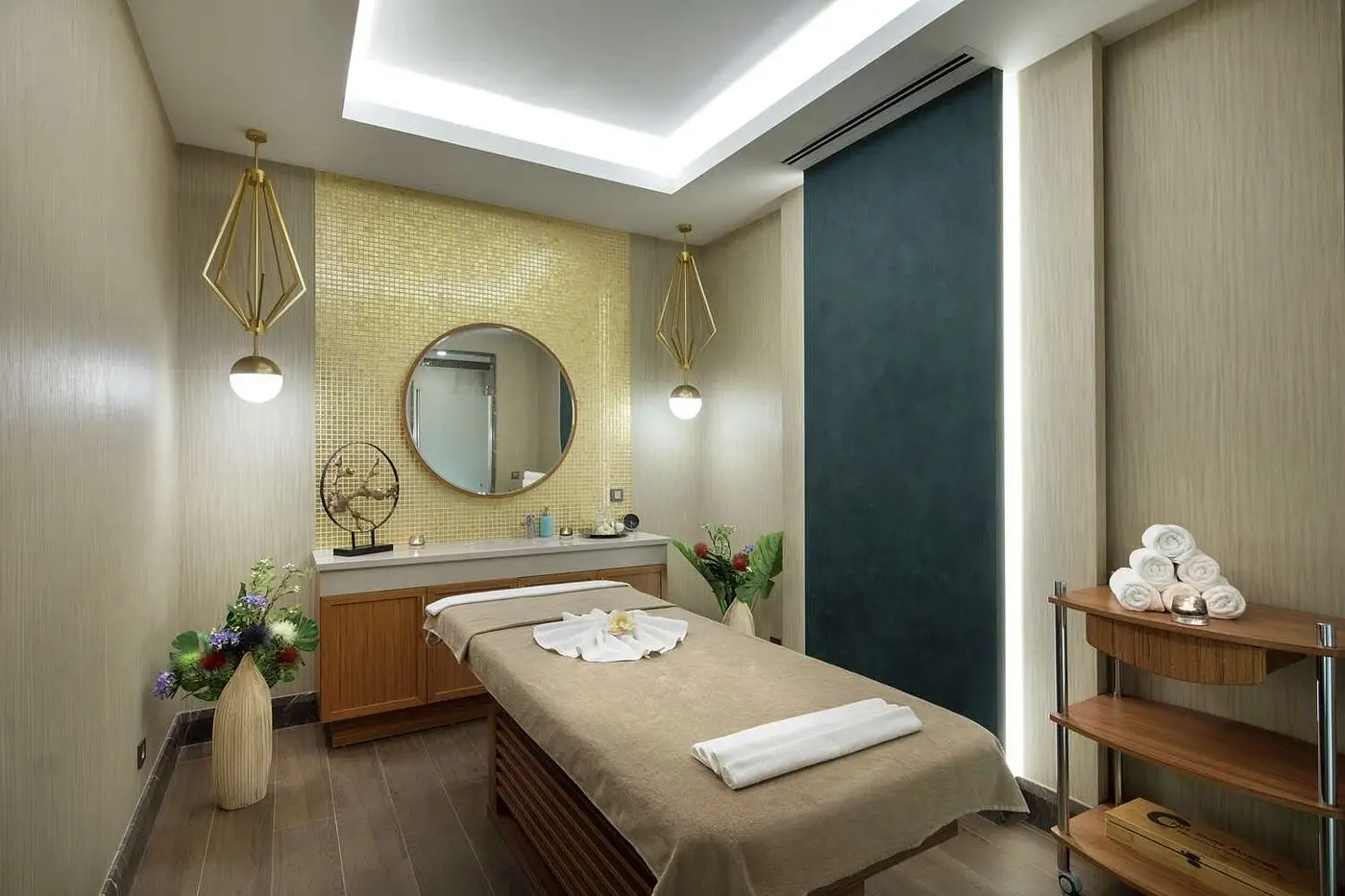
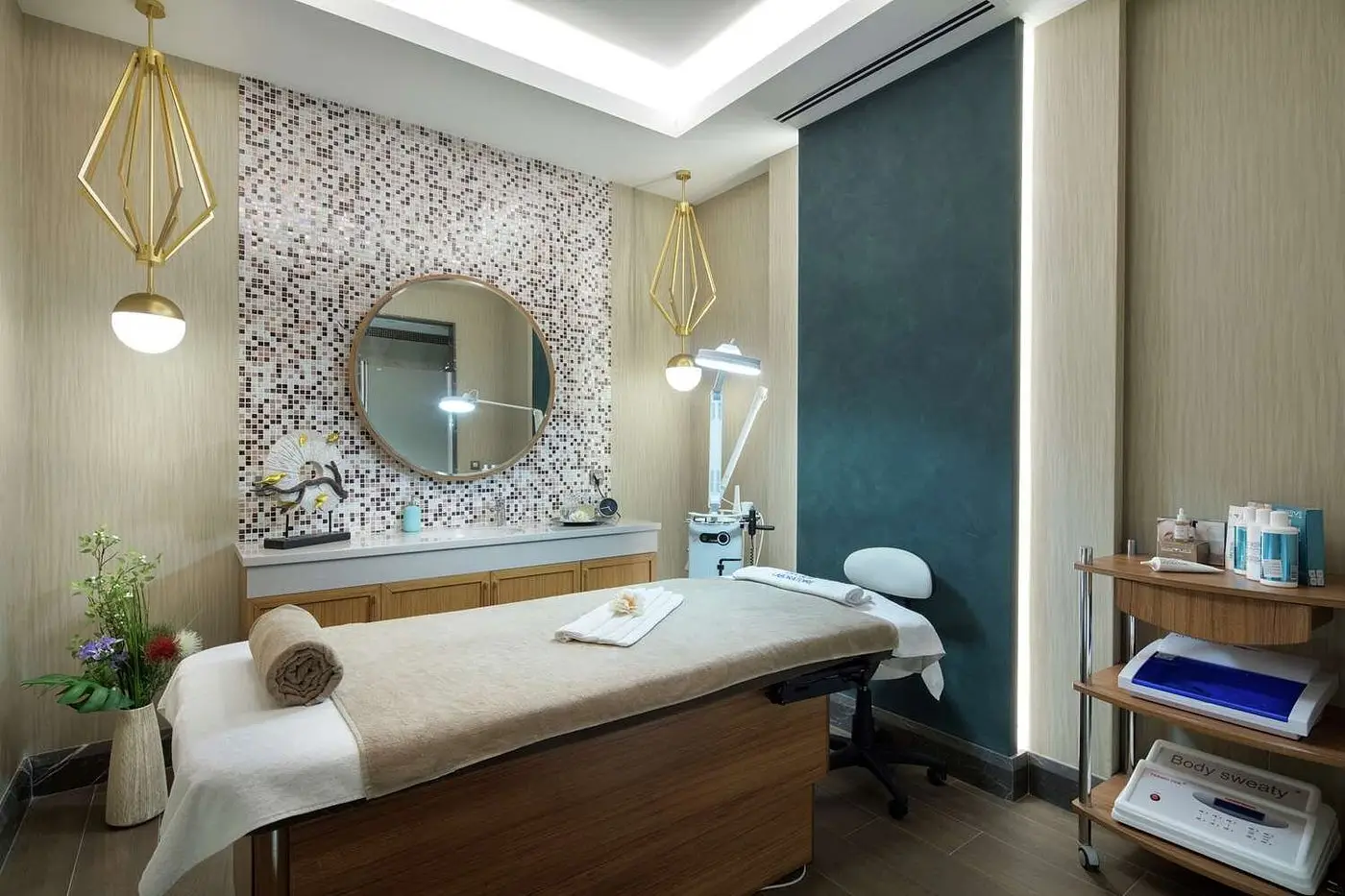
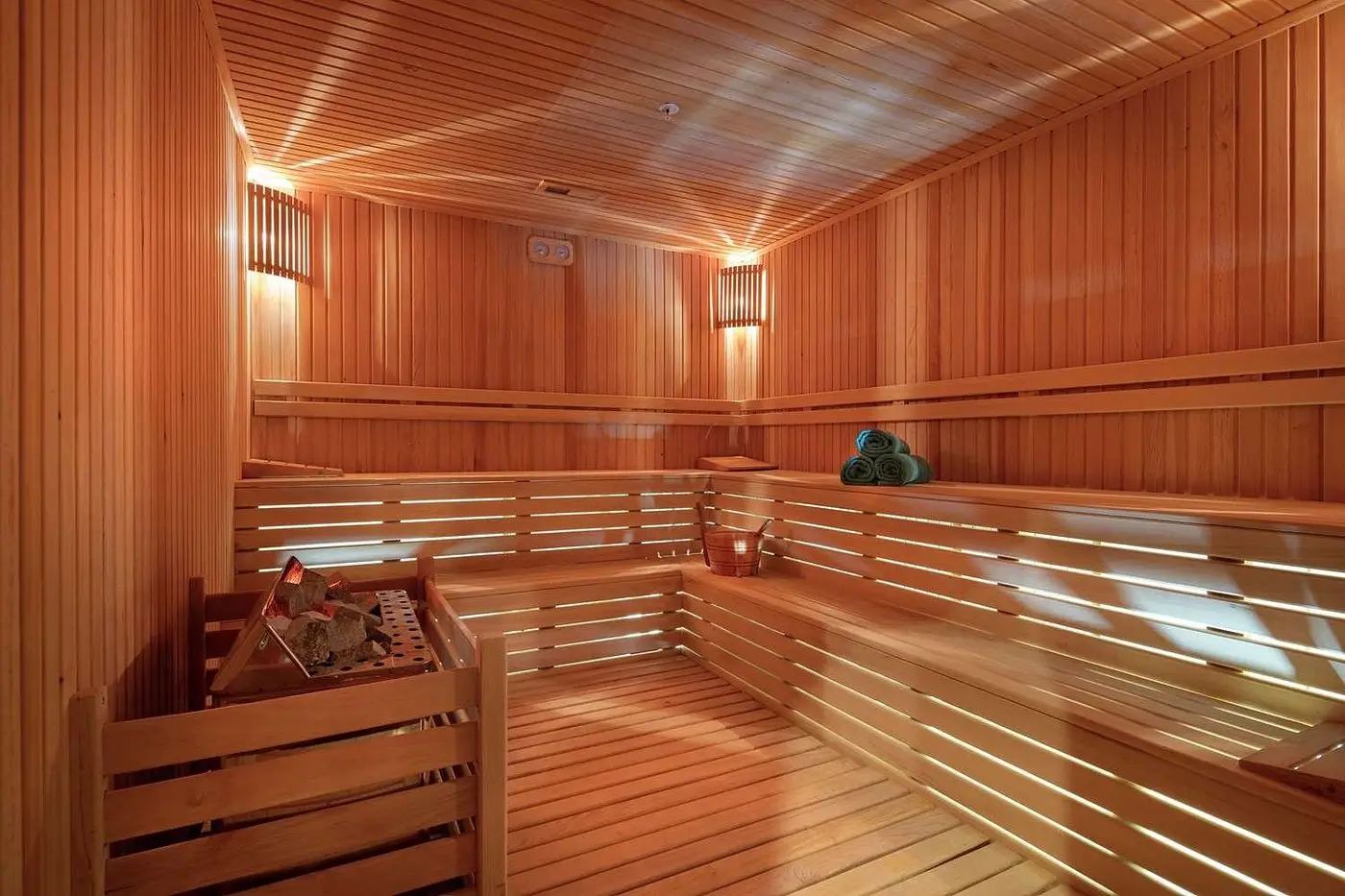
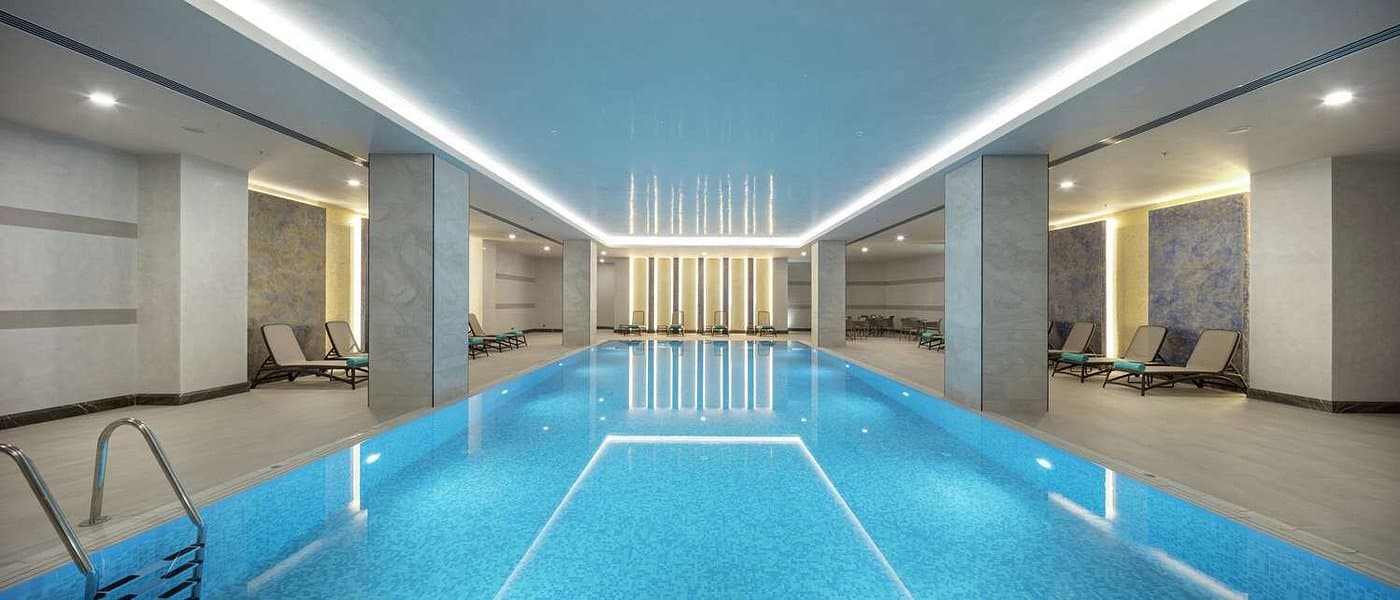
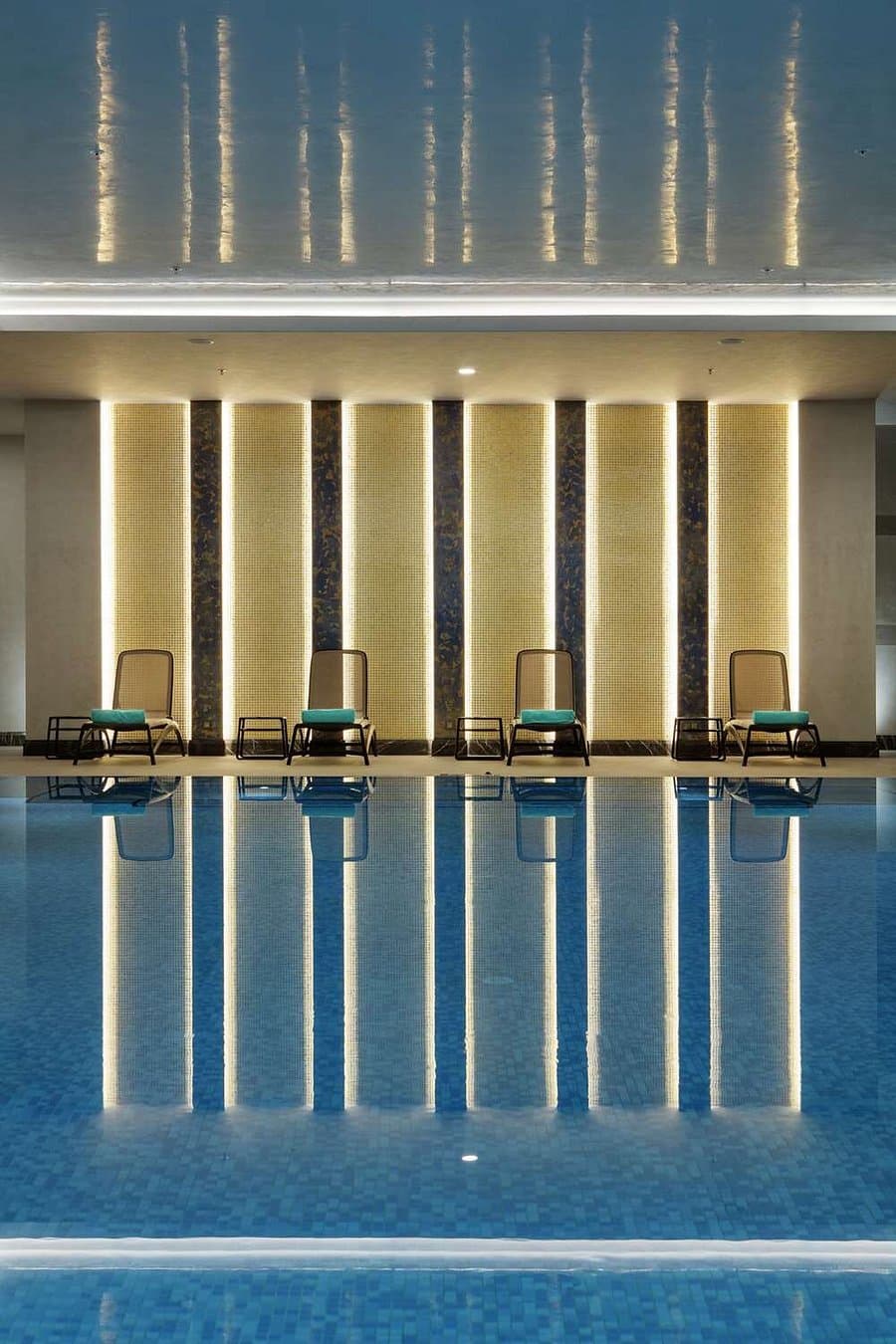
- Spa & Wellness
SECTION 02
Project Description
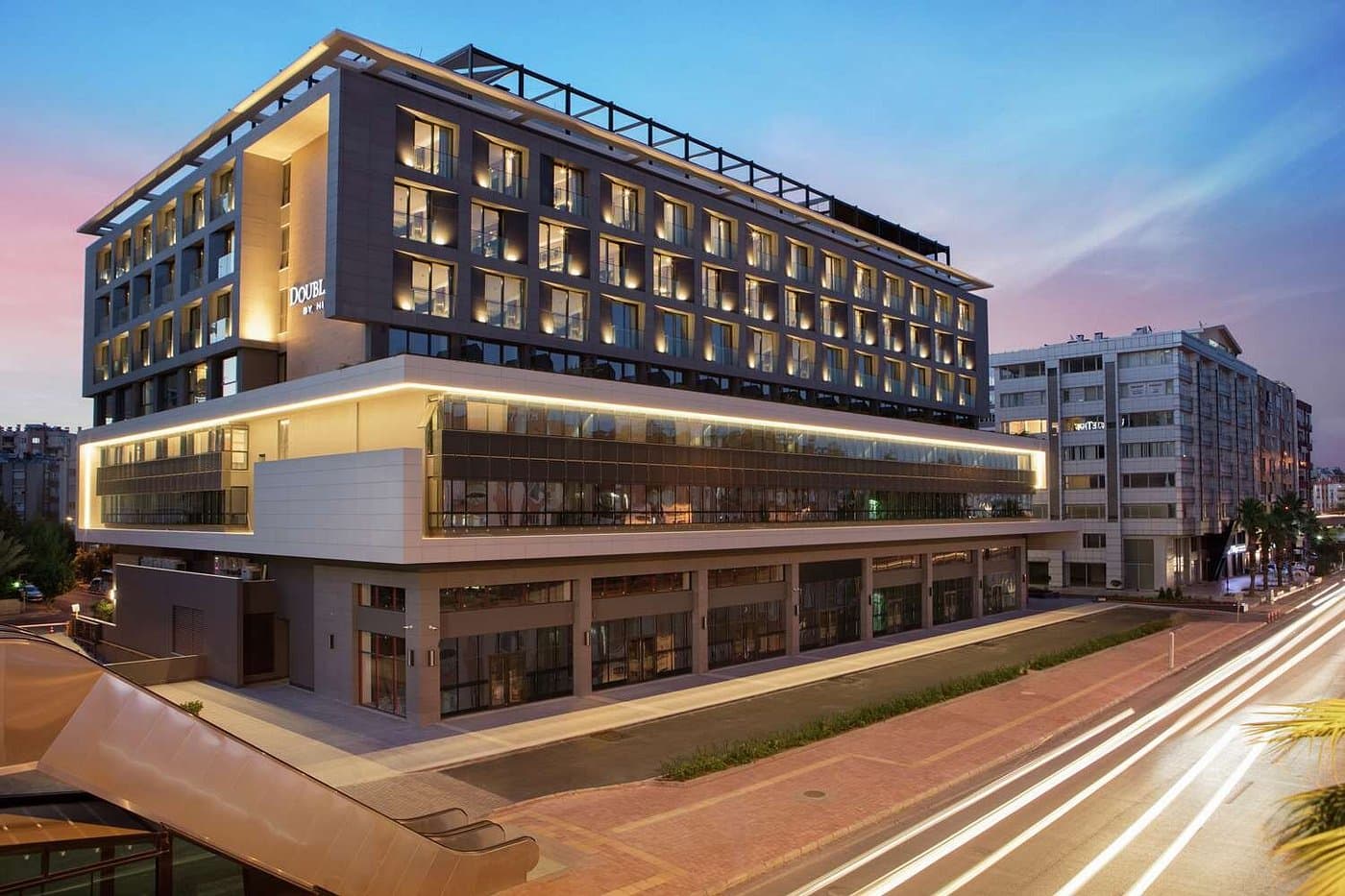
Located in the heart of Antalya, DoubleTree by Hilton Antalya City Centre is a contemporary urban hotel that blends luxury and convenience. Situated just 2 kilometers from the historic Kaleiçi district and within walking distance of the MarkAntalya shopping mall, the hotel provides guests with easy access to both cultural landmarks and modern amenities.
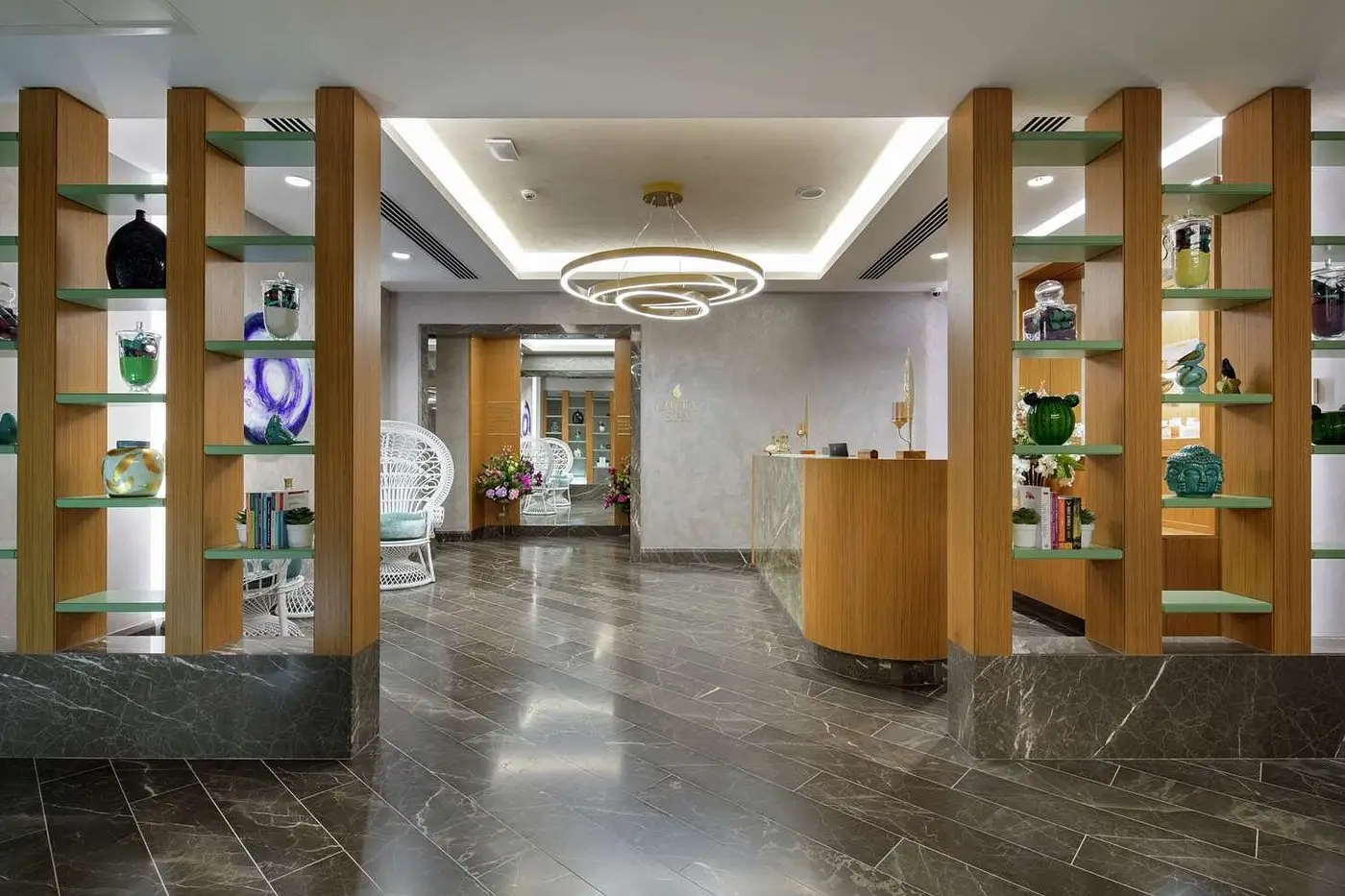
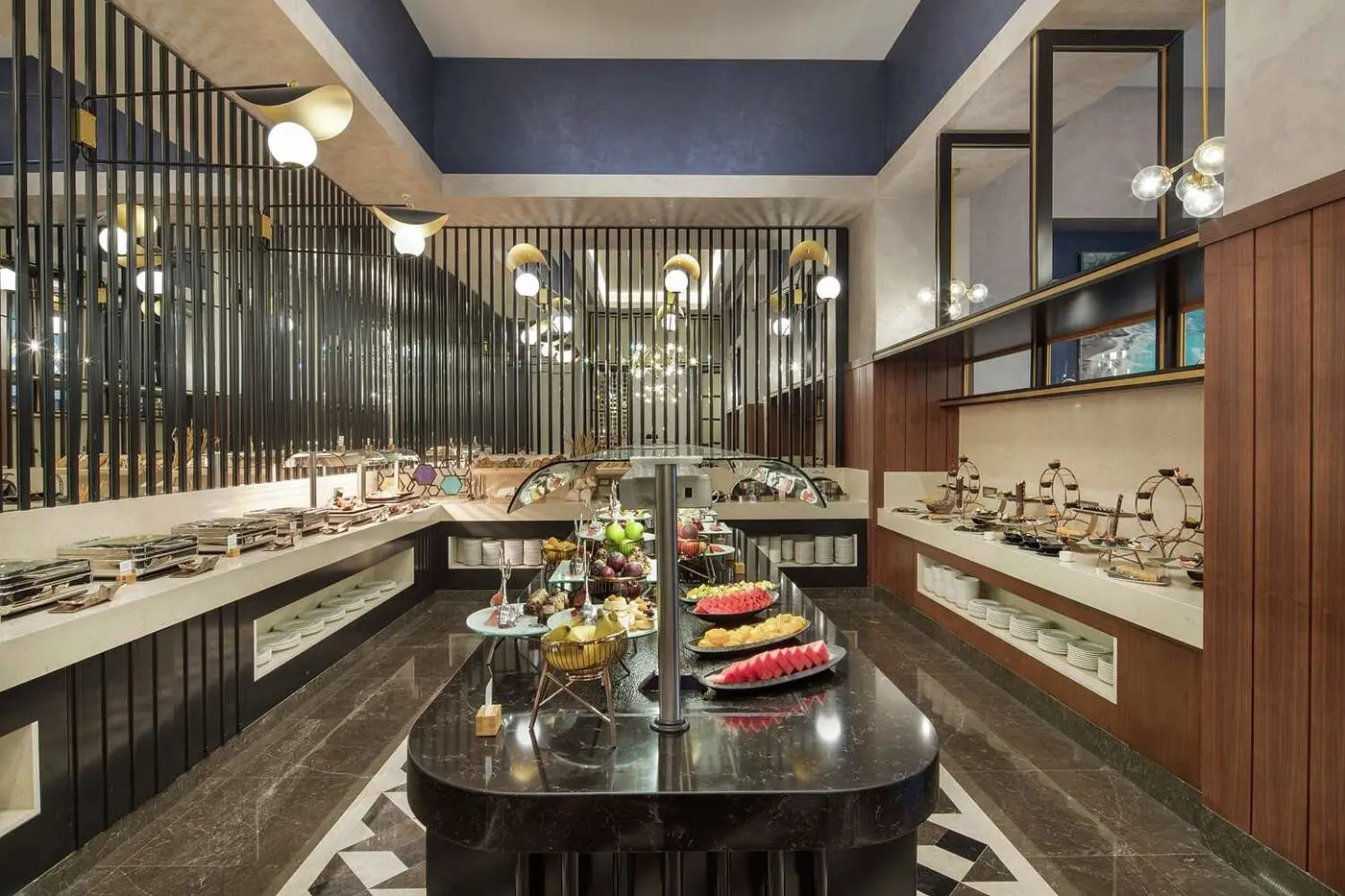
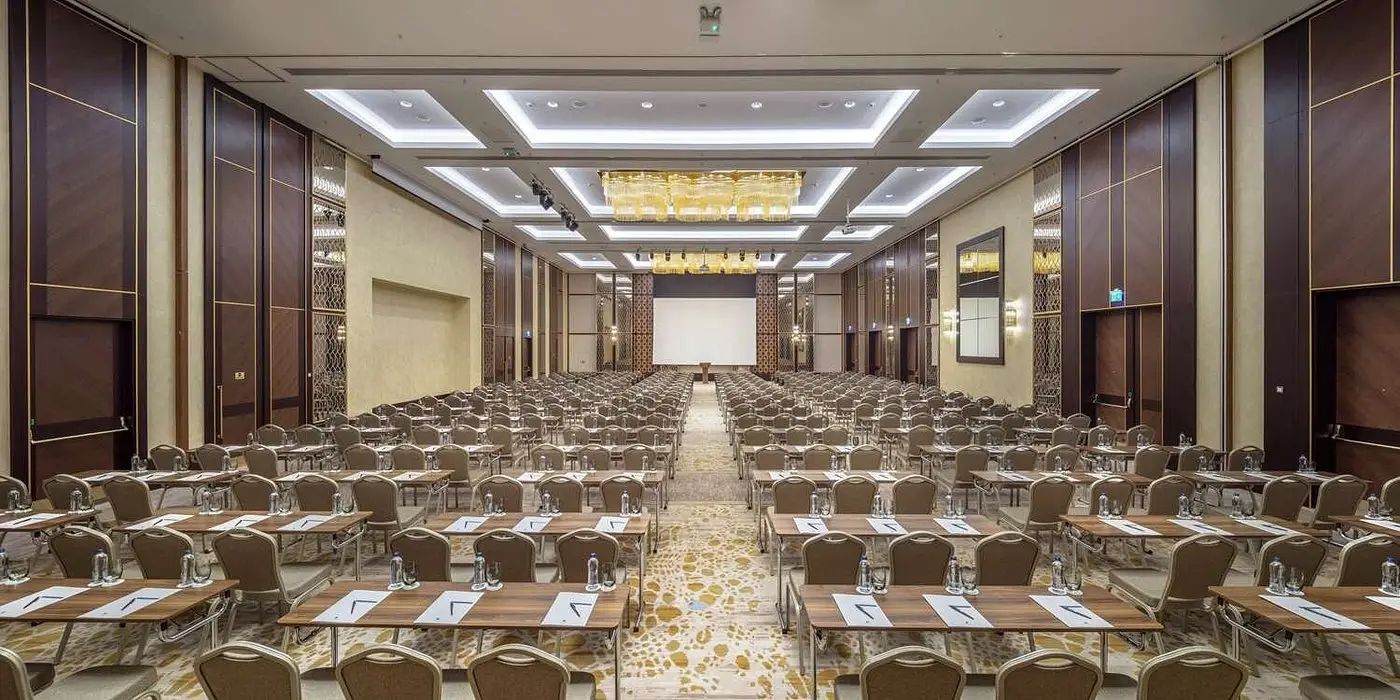
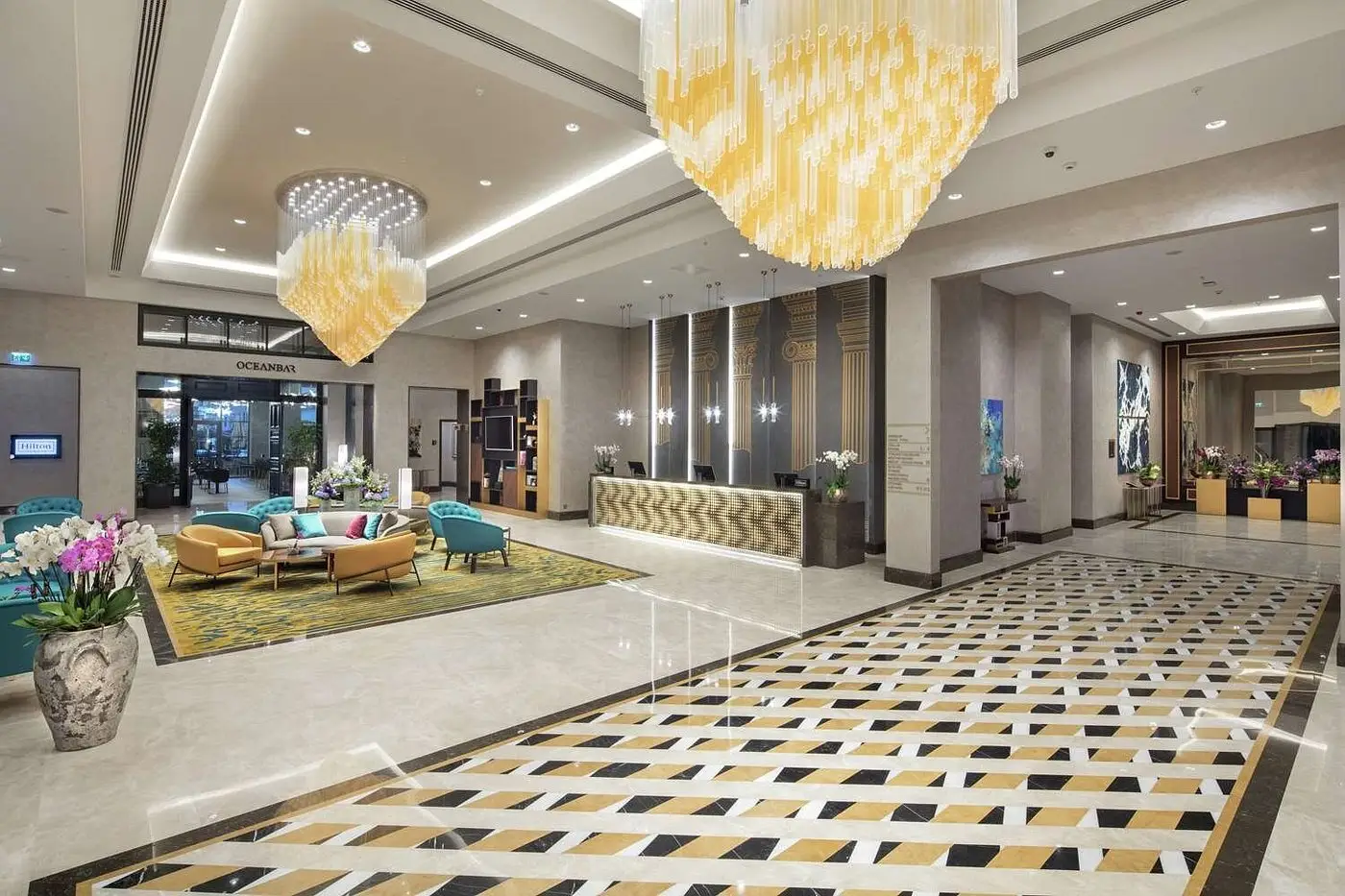
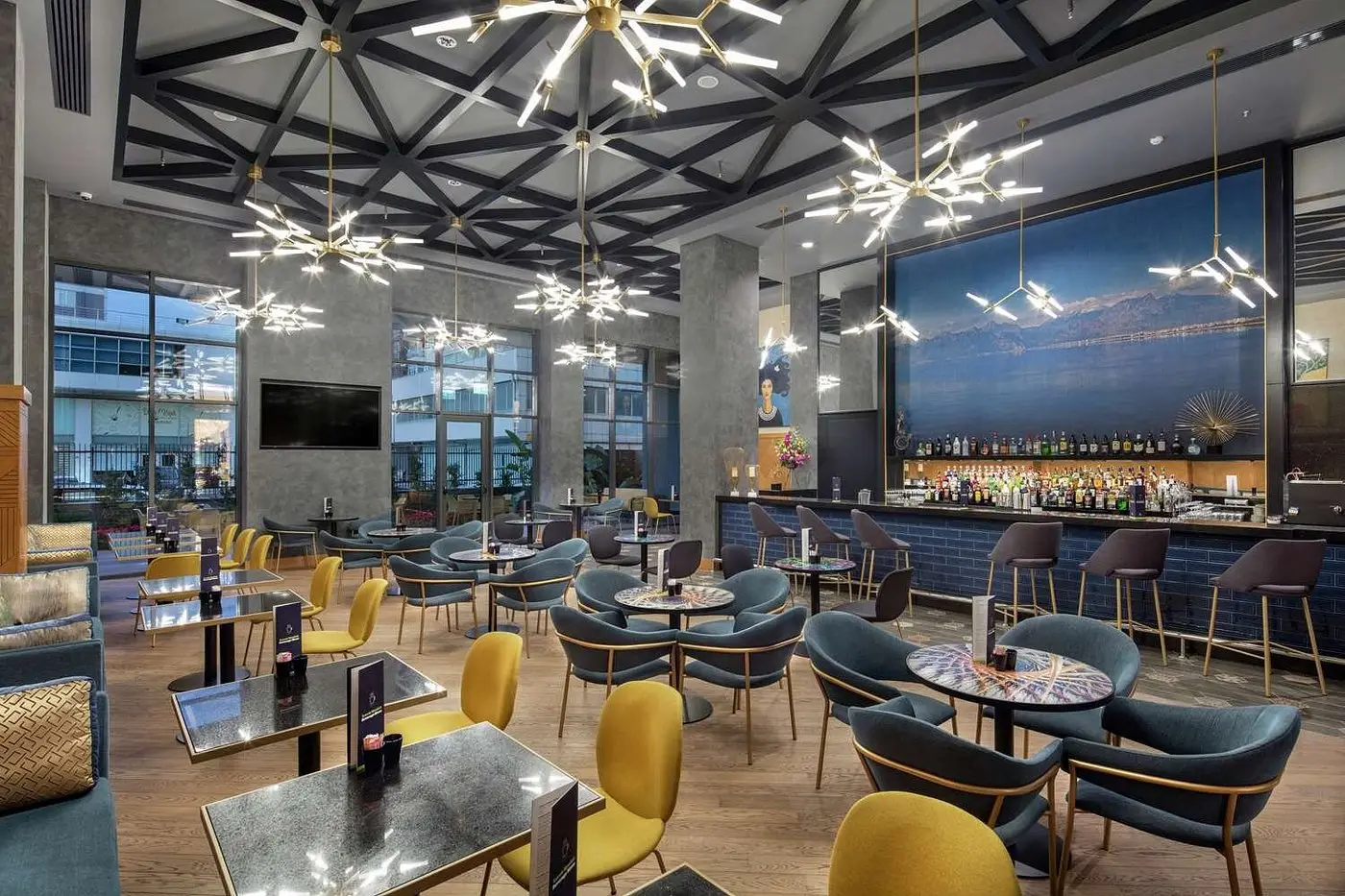
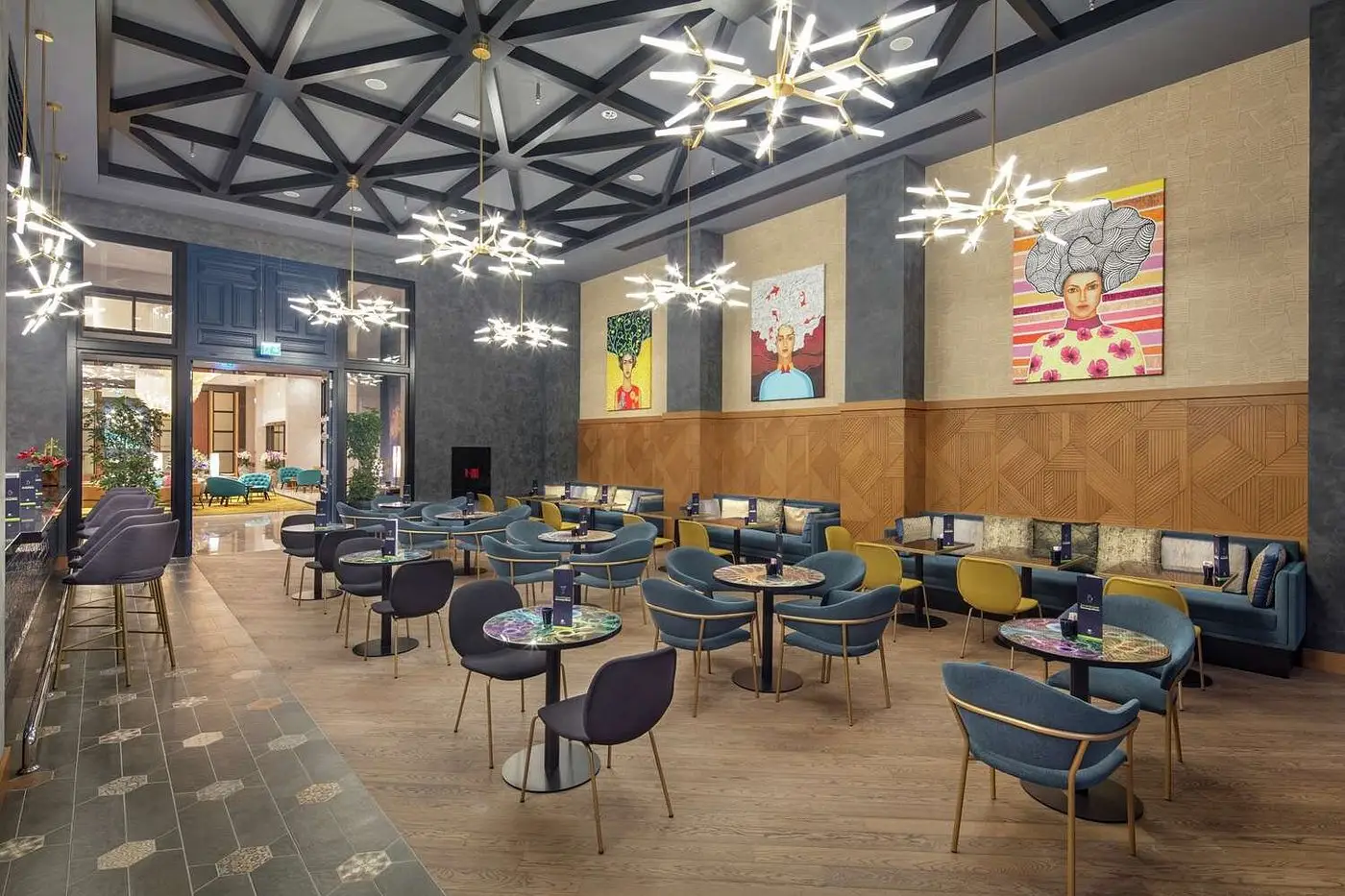
Designed by Hande Tözün Interior Design Studio, the project encompasses various spaces aimed at enriching the guest experience. The Lobby Lounge and Lobby Bar serve as inviting areas for relaxation and social interaction. The All-Day Dining Restaurant offers a rich culinary experience appealing to both local and international palates. For events and conferences, the Ballroom and Meeting Rooms are equipped with state-of-the-art facilities to host diverse gatherings.
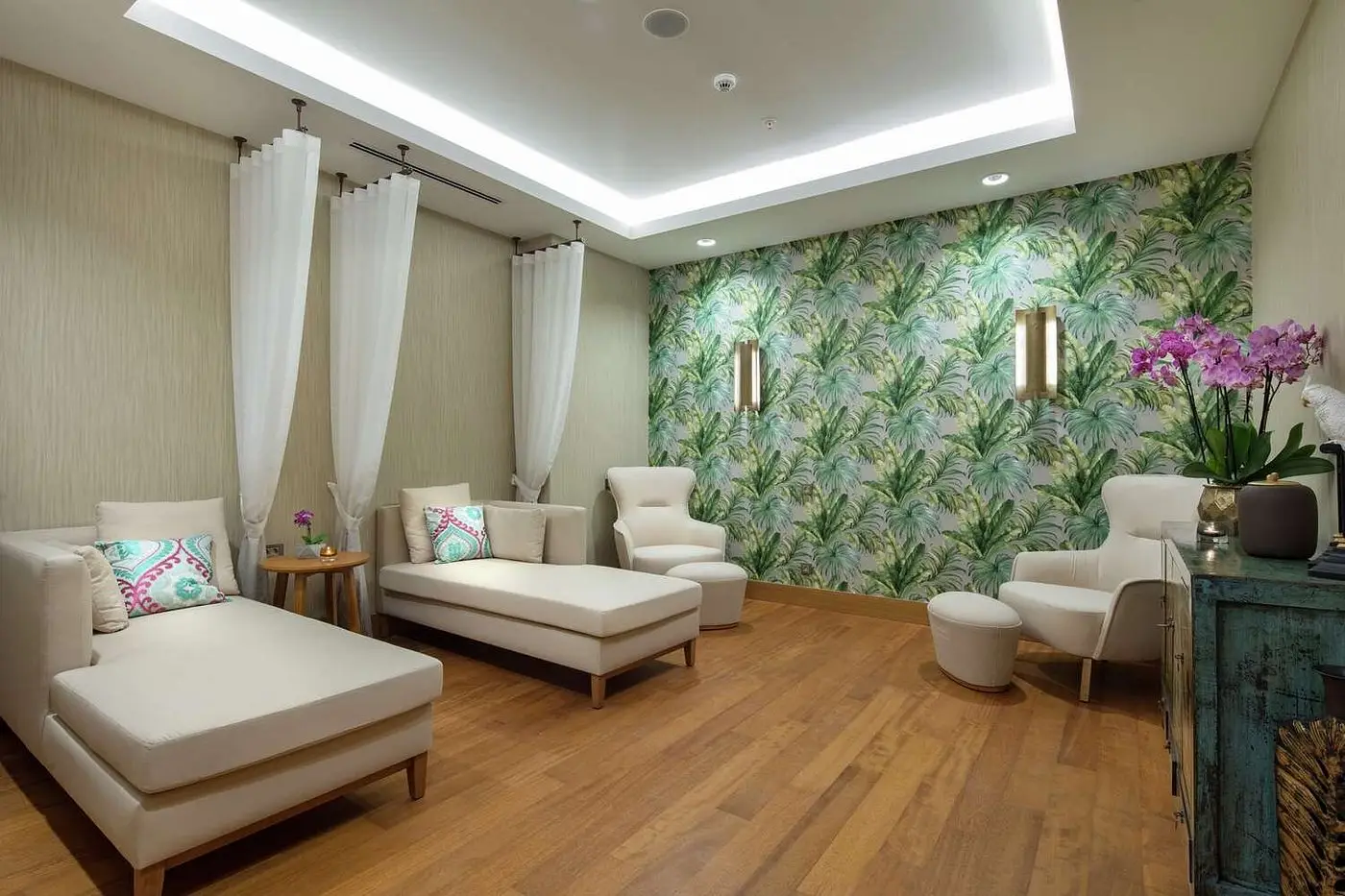
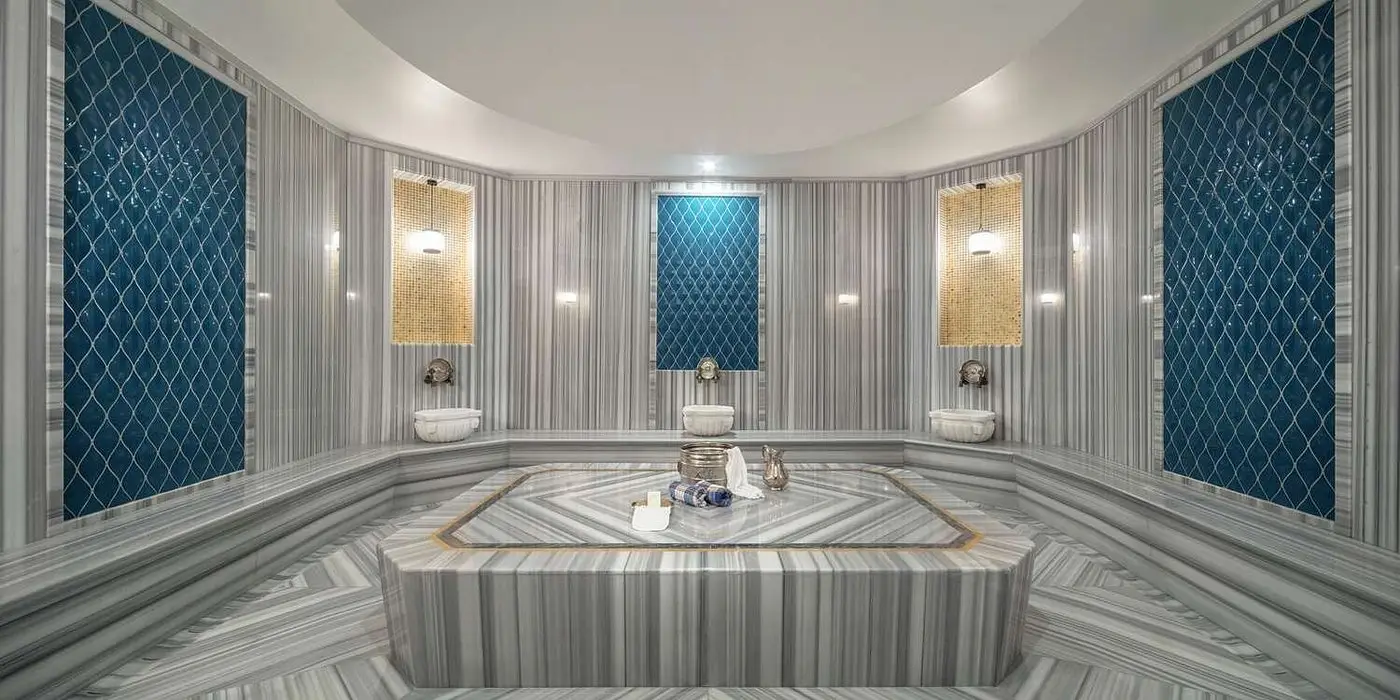
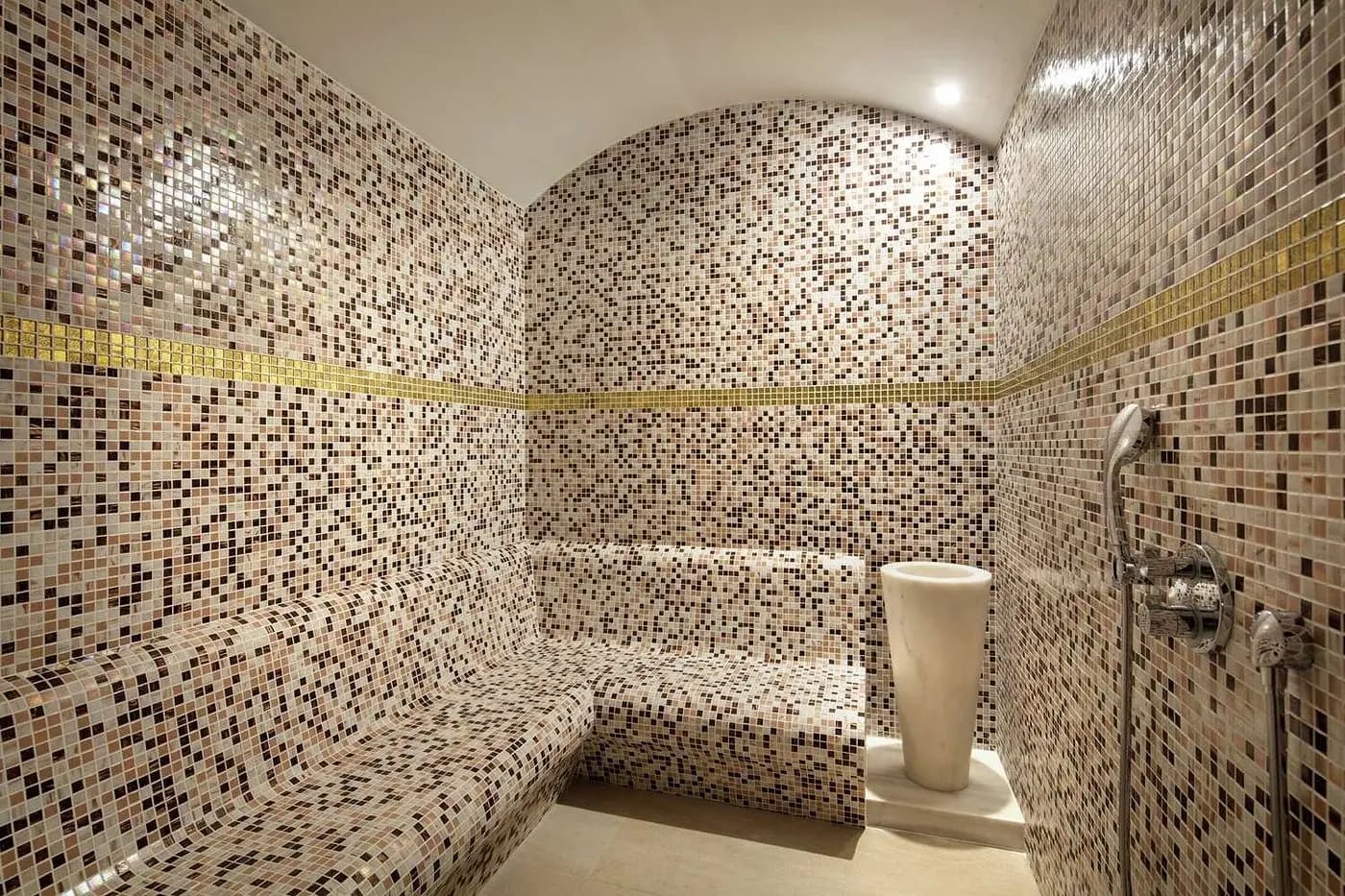
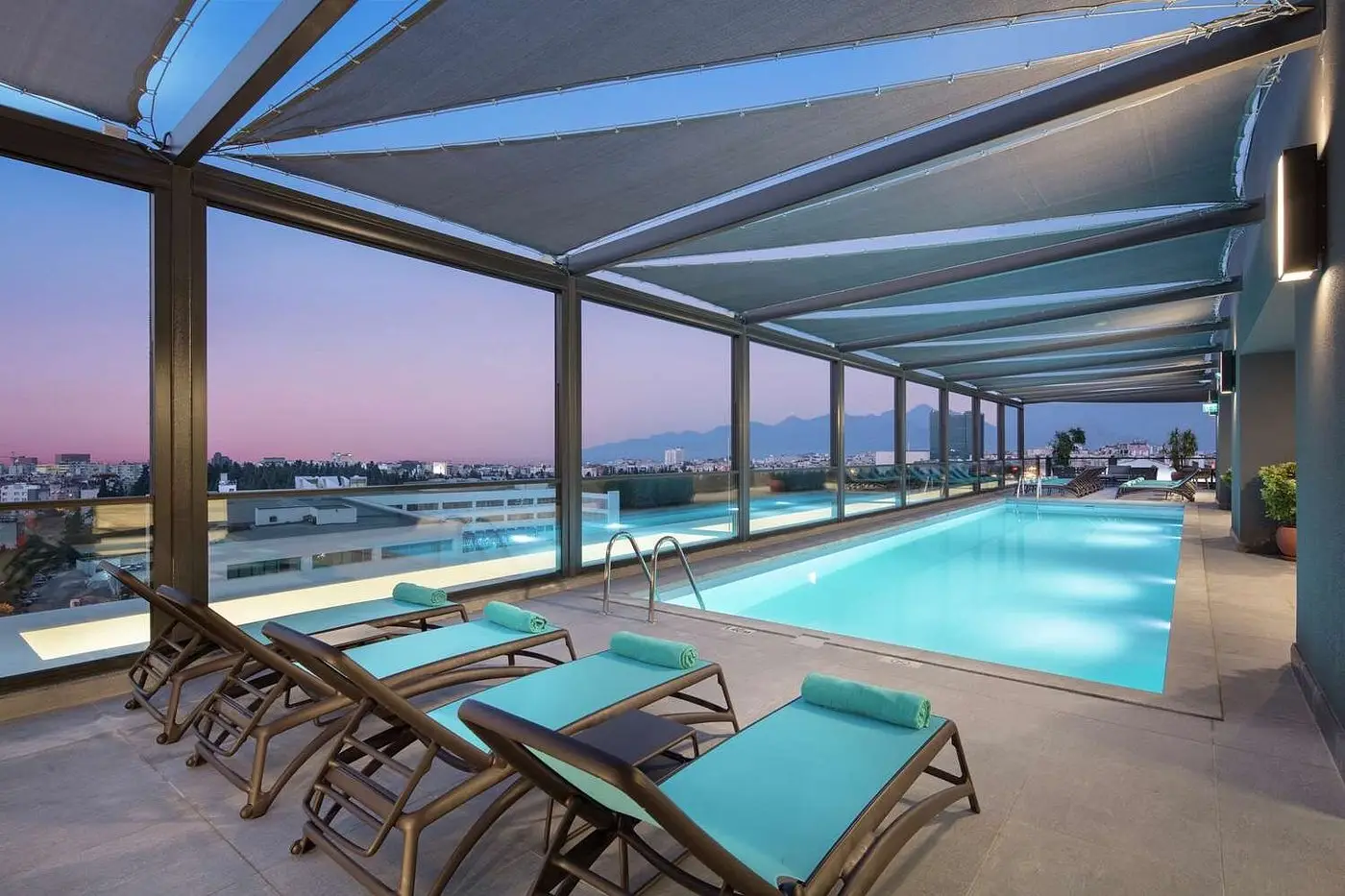
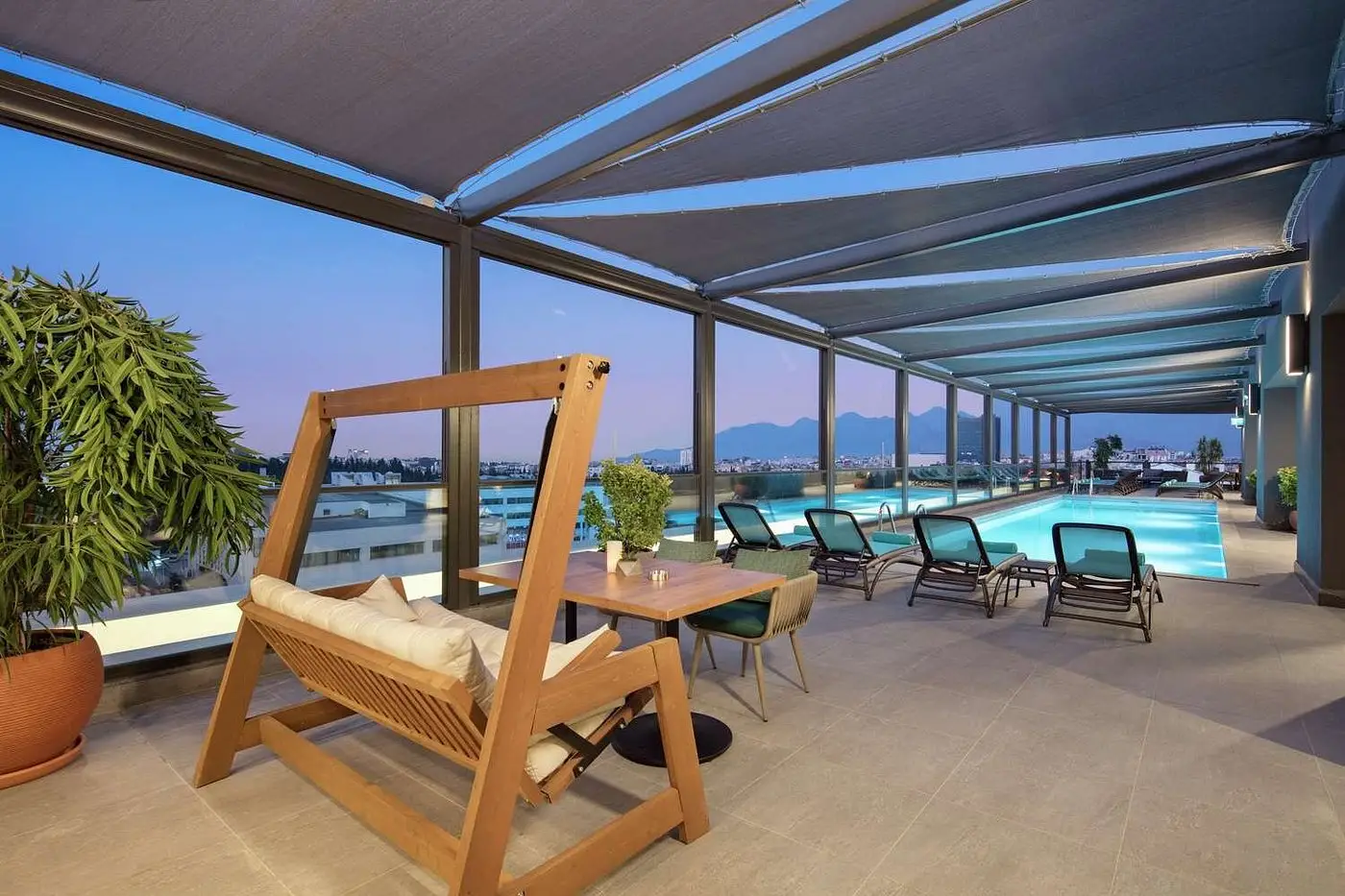
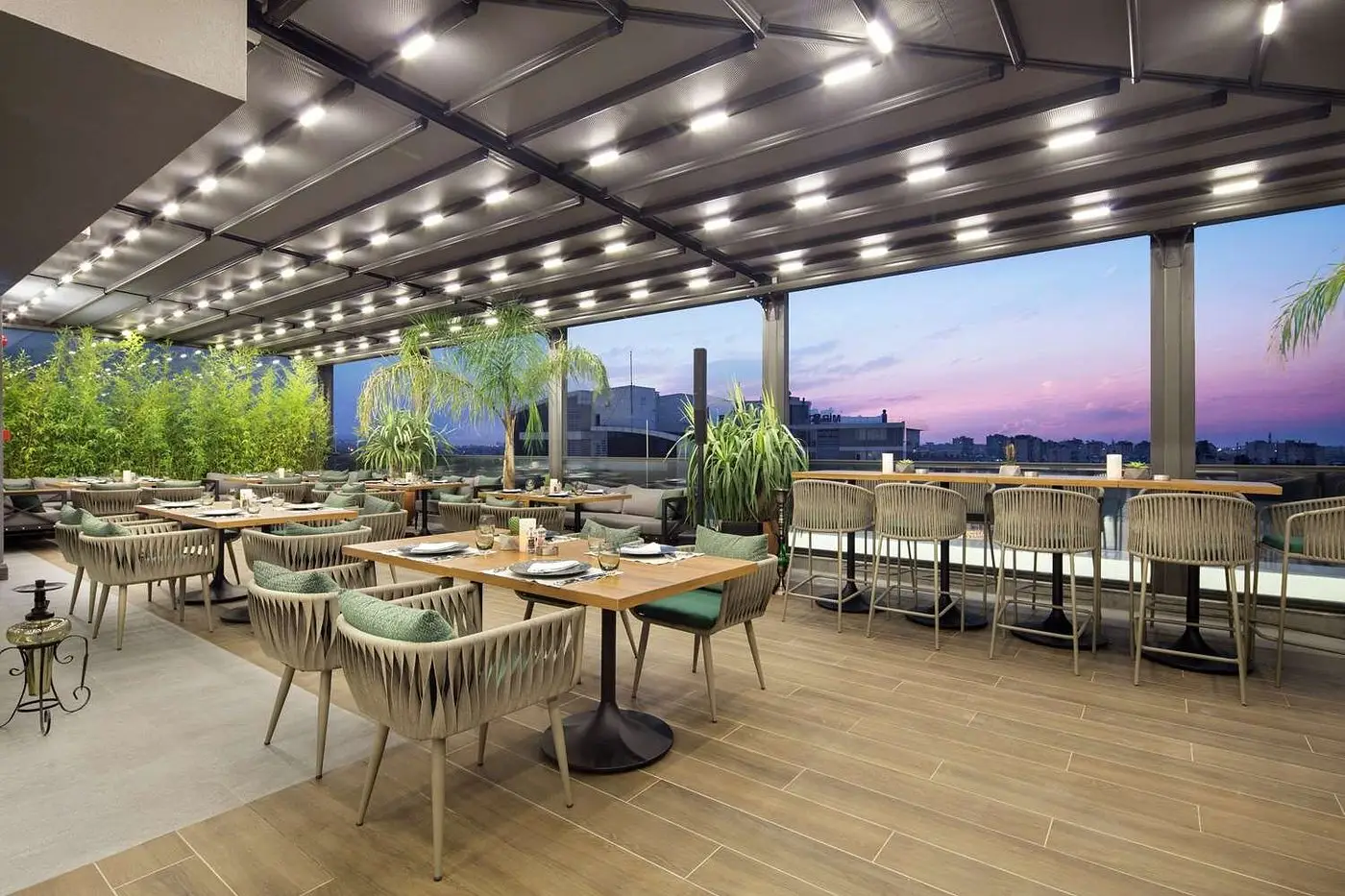
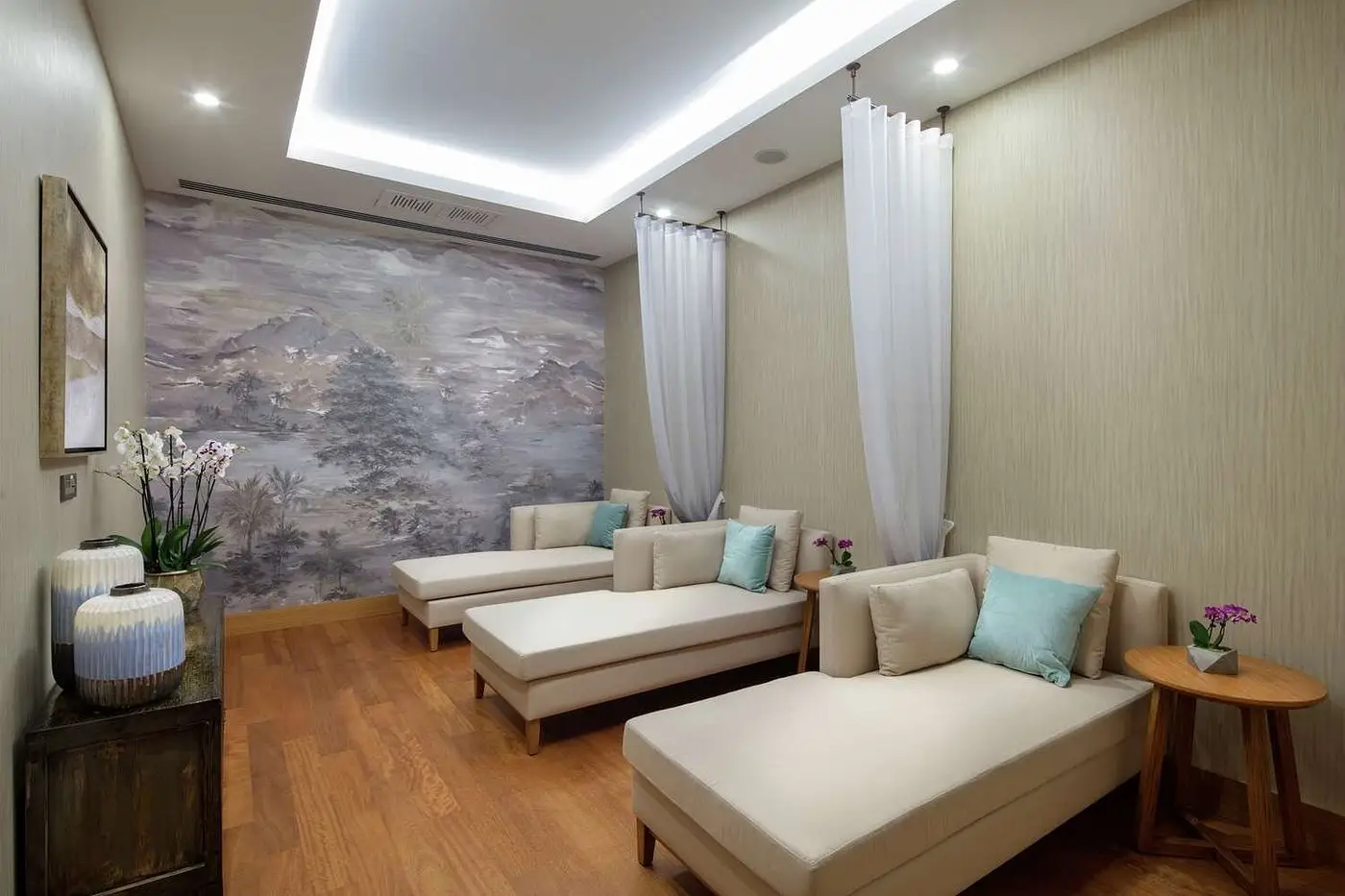
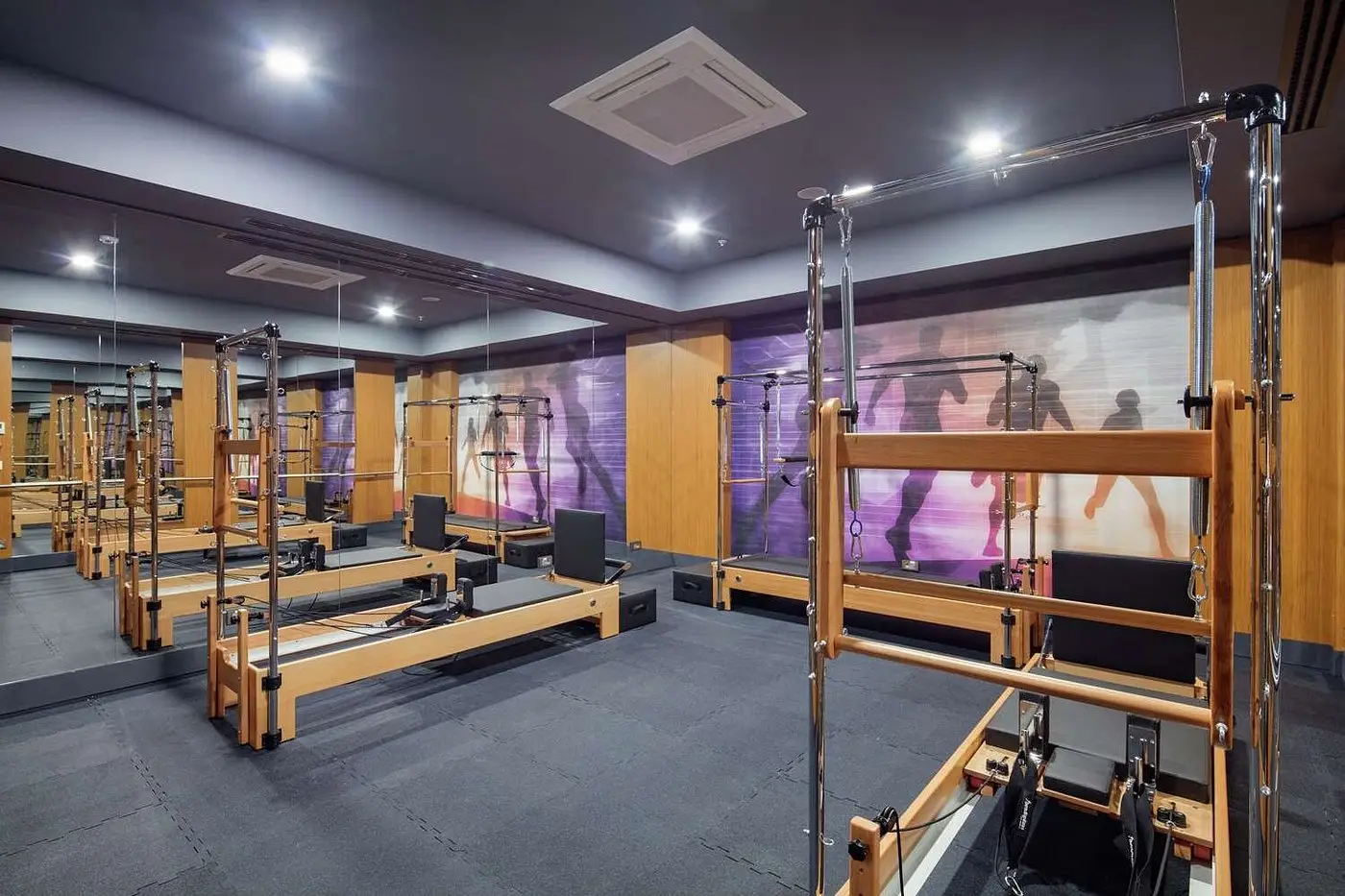
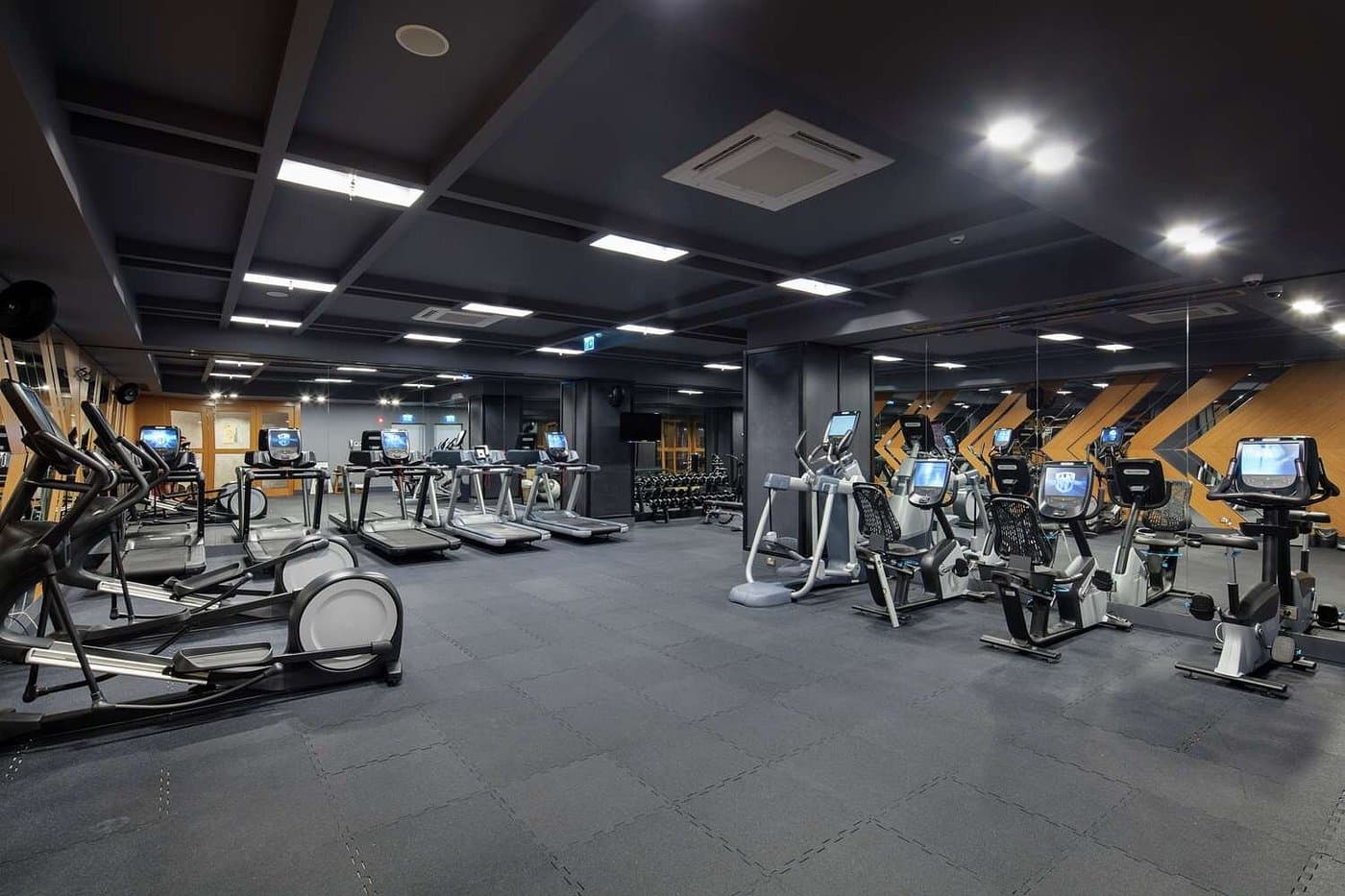
The Rooftop Bar provides a unique setting for evening get-togethers, offering panoramic views of the city. The Spa & Wellness Center is designed to offer guests a tranquil haven with a range of treatments and services promoting relaxation and vitality. The Fitness Center is equipped with modern exercise gear, encouraging guests to maintain their fitness routines during their stay.
Reflecting a commitment to quality and design excellence, this project aims to provide guests with an unforgettable and comfortable experience in the bustling city of Antalya.
SECTION 03
Hotel Interior Design: Creating Memorable Guest Experiences
Hotel interior design plays a crucial role in shaping the overall guest experience, influencing everything from first impressions to the comfort and functionality of each stay. A well-designed hotel combines aesthetics, functionality, and sustainability to create spaces that are both inviting and memorable.
In the hospitality sector, interior design must balance elegance with practicality. Public spaces like lobbies, lounges, and bars are typically the guests' first touchpoints and must instantly convey the hotel's identity and atmosphere. Attention to materials, color palettes, lighting, and furniture selection ensures these areas are welcoming and comfortable while supporting operational efficiency.
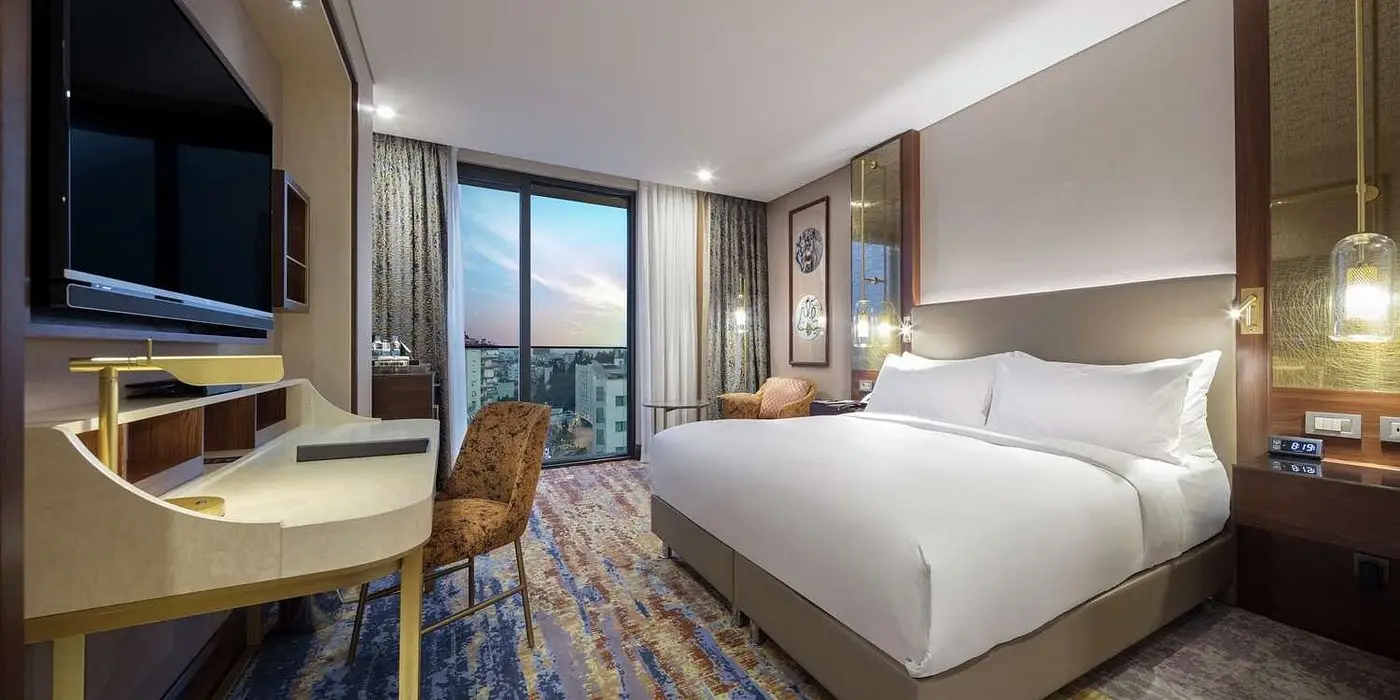
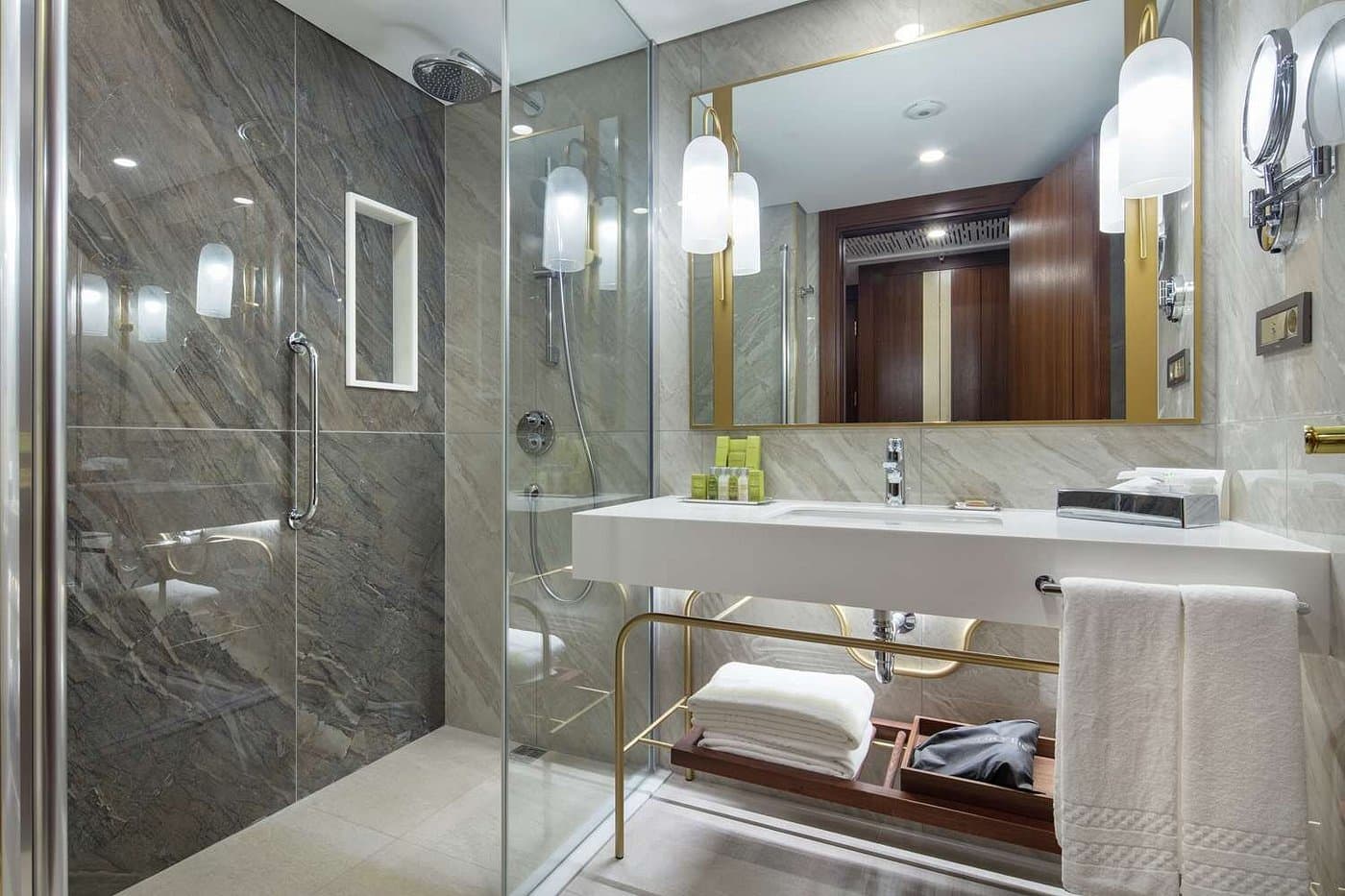
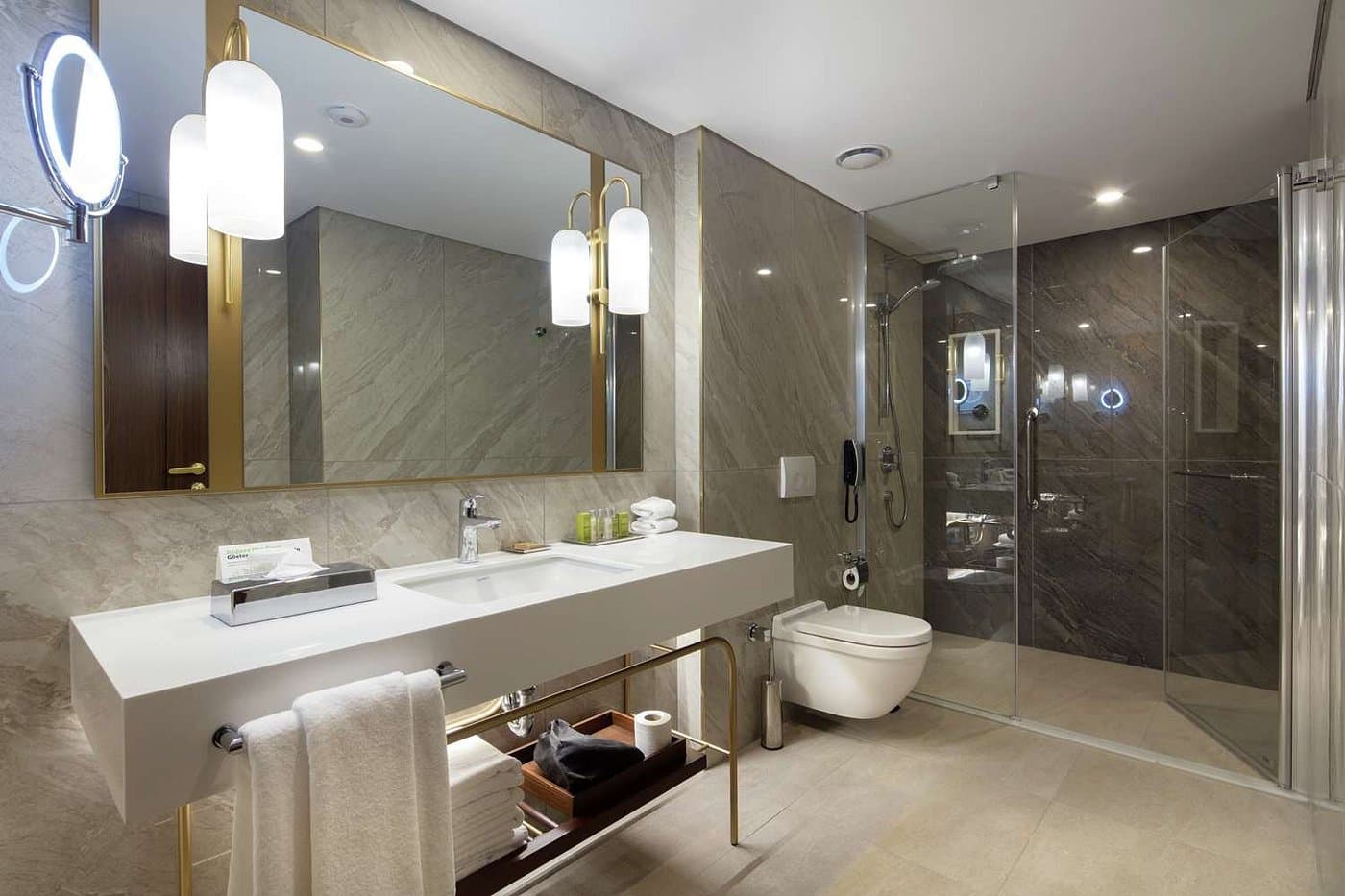
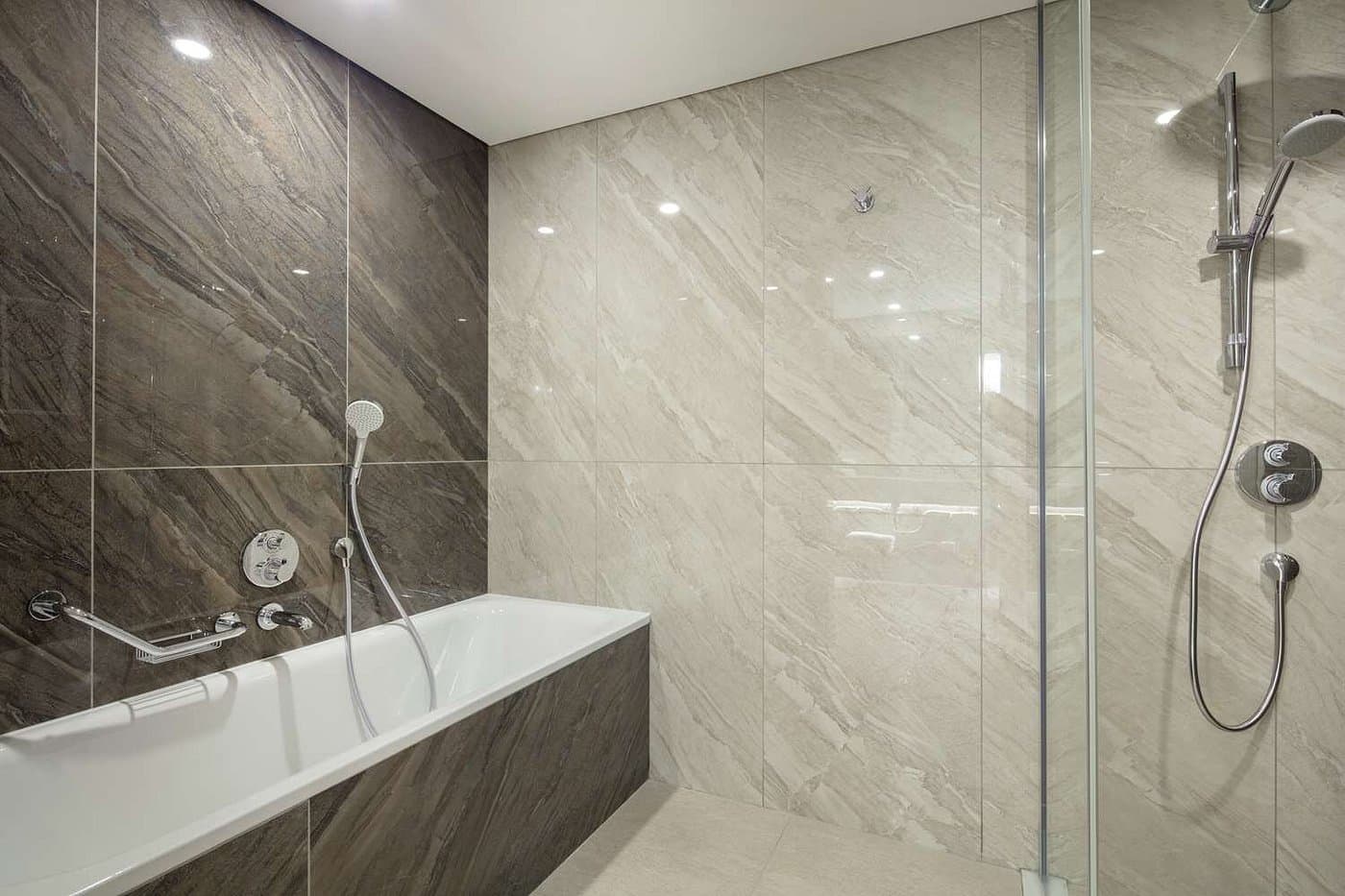
Guest rooms and suites are equally important, offering a private sanctuary for rest and relaxation. Design decisions in these spaces focus on comfort, ergonomics, and flexibility, while also incorporating local culture or thematic elements that give the property a distinctive character. Luxury features such as presidential suites, spa bathrooms, or private terraces enhance the guest experience and elevate the hotel's perceived value.
Social amenities like restaurants, rooftop bars, wellness centers, and fitness facilities require careful planning to create functional and aesthetically pleasing spaces that cater to diverse users. Each area should offer unique experiences while maintaining a cohesive design language reflecting the brand's identity. The integration of technology, energy-efficient systems, and sustainable materials contributes to both operational efficiency and environmental responsibility.
The design process itself is a structured journey beginning with concept development, space planning, and 3D visualization, followed by detailed implementation projects, procurement support, and on-site project management. Collaboration with architects, engineers, and contractors ensures the design is executed with precision and quality. High-quality 3D modeling and visualization tools allow clients and stakeholders to experience the proposed designs before construction, ensuring informed decisions and consensus on the final result.
Investing in professional hotel interior design not only enhances guest satisfaction but also strengthens the brand's reputation, increases occupancy rates, and encourages positive reviews. Well-designed hotels become destinations in their own right, leaving lasting impressions that drive repeat visits and word-of-mouth promotion.
By prioritizing comfort, aesthetics, and operational functionality, hotel interior designers create environments that delight guests while supporting the property's commercial goals. Every project is an opportunity to craft a unique narrative, blending local culture, modern design principles, and luxury hospitality standards into spaces that are both functional and unforgettable.